
Glutathione
Price range: $75.00 through $105.00
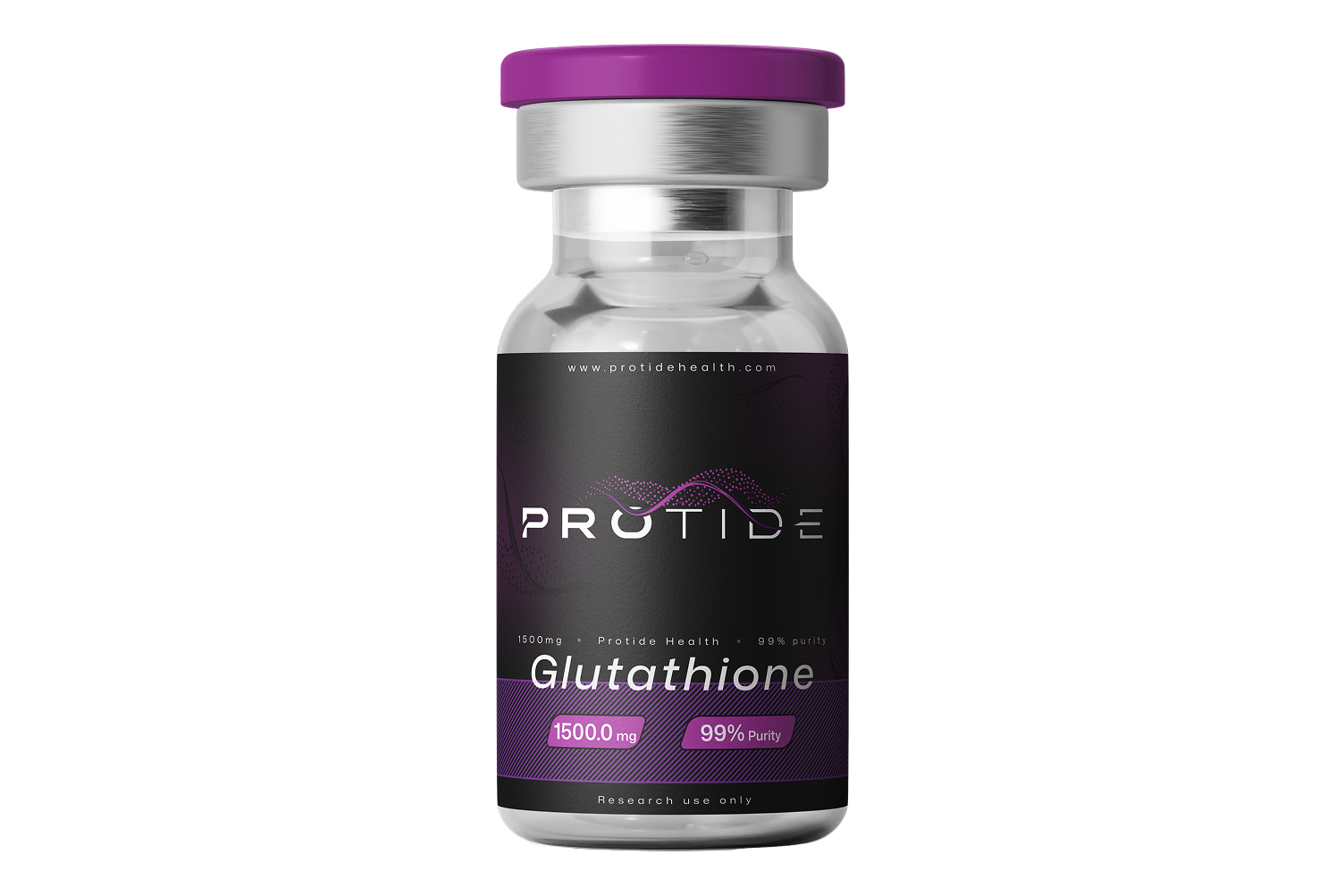
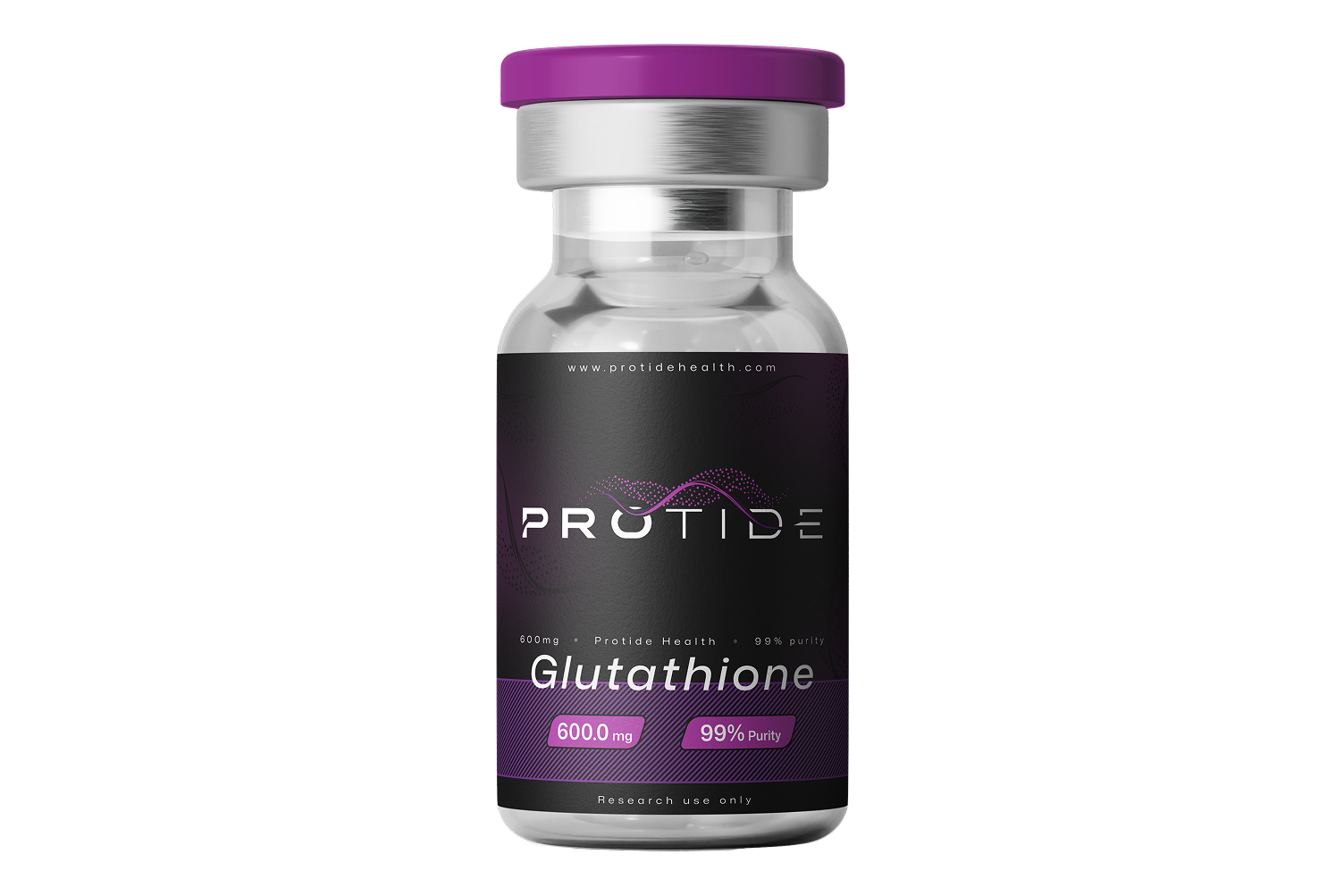
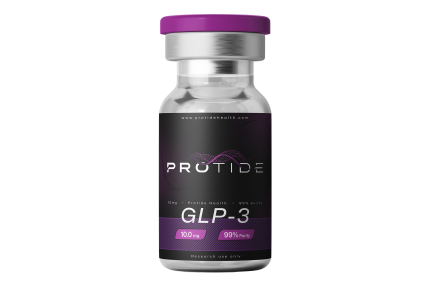
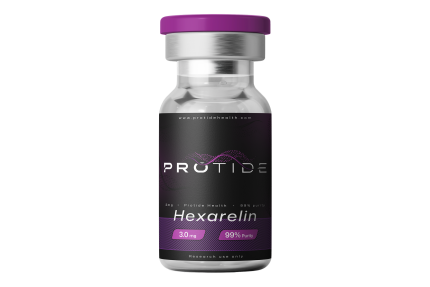
Glutathione peptide product shot featuring professionally labeled Protide Health research vials containing white to off-white lyophilized reduced glutathione in 600mg and 1500mg sizes, with GSH identity, γ-Glu-Cys-Gly tripeptide labeling, and research-use-only presentation clearly displayed against a clean laboratory-style background.


Glutathione Peptide 600mg & 1500mg – Protide Health USA
Glutathione Peptide Overview & Technical Specifications
Glutathione peptide, commonly abbreviated GSH, is an endogenous sulfur-containing tripeptide composed of three amino acids:
γ-Glu-Cys-Gly
Its systematic peptide description is:
γ-L-glutamyl-L-cysteinyl-glycine
Glutathione differs from conventional tripeptides because glutamate and cysteine are connected through a distinctive γ-glutamyl linkage rather than a standard α-peptide linkage.
Protide Health supplies reduced glutathione as 99% purity lyophilized research material in two available quantities:
- 600mg
- 1500mg
The material is HPLC-MS verified and third-party tested for qualified biochemical, cellular, redox, analytical, in-vitro, and preclinical research.
Technical Specifications
- Product Name: Glutathione
- Alternative Names: GSH, L-Glutathione, Reduced Glutathione
- Chemical Name: γ-L-Glutamyl-L-cysteinyl-glycine
- Available Sizes: 600mg, 1500mg
- Form: Lyophilized powder
- Purity: 99%
- Testing: HPLC-MS verified; third-party tested
- Peptide Type: Endogenous γ-linked tripeptide
- Sequence: γ-Glu-Cys-Gly
- CAS Number: 70-18-8
- PubChem CID: 124886
- Molecular Formula: C10H17N3O6S
- Molecular Weight: Approximately 307.32 g/mol
- Appearance: White to off-white lyophilized powder
- Solubility: Freely soluble in water; supplied specification approximately 50mg/mL
- Storage: Store sealed at ≤6°C and protected from heat, light, and moisture
- Research Use: Biochemical, redox, cellular, oxidative-stress, molecular, analytical, and qualified preclinical research only
Glutathione Peptide Structure & γ-Glutamyl Linkage
The glutathione peptide consists of:
- Glutamic acid
- Cysteine
- Glycine
Its glutamate residue is connected to cysteine through the γ-carboxyl group of glutamate.
The cysteine residue contributes a reactive thiol (-SH) group, which is central to the biochemical redox properties of reduced glutathione.
This structure makes GSH an important experimental compound for investigating:
- Oxidation-reduction reactions
- Thiol chemistry
- Protein redox regulation
- Reactive oxygen species
- Enzyme systems
- Cellular stress responses
Glutathione & Cellular Redox Research
One of the principal research areas involving glutathione is cellular redox homeostasis.
Reduced glutathione is represented as:
GSH
Its oxidized disulfide form is:
GSSG
Researchers frequently investigate the relationship between GSH and GSSG when examining cellular oxidative conditions.
Research areas include:
- Reactive oxygen species
- Hydrogen peroxide metabolism
- Cellular redox balance
- Oxidative-stress signaling
- Protein thiol regulation
- Mitochondrial redox biology
- Xenobiotic metabolism
- Redox-sensitive enzymes
Researchers can review broader glutathione and GSH literature indexed by PubMed for peer-reviewed research involving glutathione metabolism, redox signaling, oxidative stress, and cellular biochemistry.
Glutathione Peroxidase Research
Glutathione functions as a reducing substrate in reactions involving glutathione peroxidase enzymes.
These enzymes participate in reactions involving hydroperoxides and oxidative stress.
Research commonly examines:
- GSH utilization
- GSSG generation
- Hydrogen peroxide metabolism
- Lipid hydroperoxide pathways
- Glutathione peroxidase activity
- Cellular antioxidant systems
These biochemical functions concern endogenous and experimental glutathione biology.
They should not be interpreted as evidence that a laboratory vial provides therapeutic antioxidant effects in humans.
GSH/GSSG Cycling
Oxidized glutathione can participate in enzymatic recycling pathways involving glutathione reductase.
The simplified redox relationship is:
GSH ⇄ GSSG
This system is frequently studied alongside NADPH-dependent cellular processes.
Laboratories may investigate GSH/GSSG cycling in relation to:
- Cellular metabolism
- Redox homeostasis
- Oxidative stress
- Mitochondrial biology
- Enzyme activity
- Cellular stress adaptation
Protein S-Glutathionylation Research
Glutathione can also participate in S-glutathionylation.
This reversible post-translational modification involves formation of a mixed disulfide between glutathione and cysteine residues on proteins.
Research has examined S-glutathionylation in relation to:
- Protein structure
- Enzyme regulation
- Redox signaling
- Oxidative stress
- Signal transduction
- Protection of reactive cysteine residues
This provides another experimental application for reduced glutathione beyond basic antioxidant chemistry.
Glutathione S-Transferase Research
Glutathione is an important substrate for glutathione S-transferase enzyme systems.
GST enzymes participate in conjugation reactions involving glutathione and electrophilic molecules.
Research applications include:
- Xenobiotic metabolism
- Toxicology
- Drug-metabolism studies
- Phase II metabolism
- Electrophile conjugation
- Cellular resistance mechanisms
These established biochemical pathways make glutathione peptide useful across a wide range of laboratory models.
Glutathione Supplement Research Context
The phrase glutathione supplement generally refers to dietary products containing reduced glutathione or compounds intended to influence glutathione status.
Protide Health does not market this material as a consumer glutathione supplement.
This product is:
- Lyophilized research material
- Available in 600mg and 1500mg quantities
- HPLC-MS verified
- Third-party tested
- Intended for laboratory experimentation
Research involving an oral glutathione supplement therefore should not be treated as administration guidance for this product.
Advantages of Glutathione in Laboratory Research
The search phrase advantages of glutathione can refer to the biological importance and experimental versatility of endogenous GSH.
Established research roles include:
- Cellular redox regulation
- Peroxide metabolism
- Protein thiol protection
- Xenobiotic conjugation
- Glutathione S-transferase pathways
- S-glutathionylation
- Cellular signaling
- Oxidative-stress responses
These are biochemical functions of glutathione.
They do not establish clinical advantages from using the Protide Health laboratory material in humans.
Benefits of Glutathione: Scientific Context
The phrase benefits of glutathione is commonly used in consumer health content.
Endogenous glutathione has established physiological roles in:
- Redox balance
- Antioxidant-defense pathways
- Protein-thiol maintenance
- Xenobiotic metabolism
- Cellular signaling
- Mitochondrial systems
- Enzyme function
However, the importance of naturally occurring intracellular glutathione should not be confused with proof that externally supplied glutathione produces specific human outcomes.
Protide Health does not claim that this research product:
- Treats disease
- Improves health
- Lightens skin
- Slows aging
- Enhances immunity
- Provides therapeutic antioxidant effects
Liposomal Glutathione Research Context
Liposomal glutathione describes glutathione incorporated into a lipid-based carrier system.
Liposomes are phospholipid structures used experimentally to alter delivery characteristics.
The Protide Health product is not liposomal glutathione.
It consists of lyophilized reduced glutathione research material without a supplied liposomal carrier.
Research findings involving liposomal delivery therefore cannot automatically be applied to this product.
L-Glutathione Liposomal vs Reduced GSH
The search phrase l-glutathione liposomal refers to a formulation rather than a separate endogenous glutathione molecule.
Reduced L-glutathione is:
γ-Glu-Cys-Gly
A liposomal formulation additionally incorporates a lipid delivery system.
This distinction is important because formulation can influence:
- Stability
- Dispersion
- Delivery characteristics
- Experimental behavior
Protide Health supplies reduced GSH research material rather than a liposomal product.
Best Glutathione Supplement Search Intent
The keyword best glutathione supplement represents consumer comparison and purchasing intent.
Protide Health does not claim that this product is the best glutathione supplement because it is not marketed as a dietary supplement.
Consumer products may include:
- Capsules
- Tablets
- Oral powders
- Liposomal liquids
- Precursor products
- Combination supplements
Those categories differ from lyophilized laboratory material.
The relevant considerations for this Protide Health product are instead:
- Defined chemical identity
- 99% purity
- HPLC-MS verification
- Third-party testing
- Research storage conditions
- Laboratory handling
Glutathione Side Effects: Evidence Context
The phrase glutathione side effects generally refers to human supplementation or clinical exposure.
Reported tolerability can depend substantially on:
- Route
- Formulation
- Exposure
- Population
- Duration
- Other compounds being used
These data do not establish a universal safety profile for Protide Health laboratory material.
Protide Health therefore provides no:
- Human dosage guidance
- Oral supplementation recommendations
- Injection instructions
- Infusion instructions
- Treatment protocols
Reduced Glutathione vs Oxidized Glutathione
The product described here is reduced glutathione, or GSH.
It should be distinguished from oxidized glutathione.
Reduced Glutathione — GSH
Contains a free cysteine thiol group.
Oxidized Glutathione — GSSG
Contains two glutathione molecules joined through a disulfide bond.
Laboratories frequently measure both forms when evaluating intracellular redox conditions.
Protide Health specifies this product as reduced glutathione.
Glutathione Biosynthesis Research
Glutathione is synthesized intracellularly through enzyme-mediated reactions rather than being directly encoded as a conventional translated peptide.
Important enzymes include:
- Glutamate-cysteine ligase
- Glutathione synthetase
Research into GSH synthesis frequently examines:
- Cysteine availability
- ATP dependence
- Oxidative-stress regulation
- Feedback regulation
- Cellular metabolism
- Redox-sensitive gene expression
These pathways are relevant to toxicology, molecular biology, oxidative-stress research, and metabolic biochemistry.
Related Protide Health Research Compounds
Researchers investigating cellular metabolic pathways may review 5-Amino-1MQ research material for a chemically distinct NNMT-focused research system.
The NAD+ Buffered research compound provides a separate coenzyme and redox-related experimental model.
Researchers may also examine NAD+ research material when comparing glutathione biology with other cellular redox and metabolic systems.
These compounds are chemically distinct and should not be considered interchangeable with GSH.
Research Format & Storage
Protide Health supplies glutathione peptide as white to off-white lyophilized research material.
Available quantities are:
- 600mg
- 1500mg
Analytical specifications:
- Purity: 99%
- Testing: HPLC-MS verified
- Verification: Third-party tested
- Solubility: Freely soluble in water
- Specified Solubility: approximately 50mg/mL
Storage specifications:
- Store at ≤6°C
- Keep sealed
- Protect from heat
- Protect from direct light
- Protect from moisture
These specifications describe research-material characteristics and not instructions for human preparation or administration.
Research Limitations
Several important distinctions apply when interpreting glutathione research:
- Endogenous glutathione biology does not automatically establish benefits from externally supplied glutathione.
- Oral glutathione supplement research cannot automatically be transferred to lyophilized laboratory material.
- Liposomal formulation findings cannot be applied directly to non-liposomal GSH.
- Cellular antioxidant findings do not establish therapeutic effects.
- GSH/GSSG ratios depend on tissue and experimental conditions.
- Supplement bioavailability can vary by formulation.
- Human supplementation findings do not establish human use for this product.
- The 600mg and 1500mg quantities are vial contents rather than recommended doses.
- The Protide Health product is not a dietary supplement.
- The Protide Health product is not an FDA-approved pharmaceutical product.
For these reasons, glutathione peptide is supplied strictly for qualified laboratory research.
Literature & Citation Index
Glutathione Synthesis
Year: 2013
PMID: 22995213
DOI: 10.1016/j.bbagen.2012.09.008
Research Context: Glutathione biosynthesis, glutamate-cysteine ligase, glutathione synthetase, cysteine availability, oxidative stress, detoxification, signaling, proliferation, apoptosis, and immune pathways.
Glutathione: New Roles in Redox Signaling for an Old Antioxidant
Year: 2014
PMID: 25206336
DOI: 10.3389/fphar.2014.00196
Research Context: GSH, redox signaling, metabolism, antioxidant defense, gene expression, signal transduction, proliferation, and apoptosis.
Glutathione and Glutaredoxin in Cellular Redox Homeostasis
Year: 2023
PMID: 37627548
Research Context: GSH, glutaredoxin, protein S-glutathionylation, cellular signaling, redox regulation, and thiol biology.
Glutathione Biosynthesis, Metabolism & Biological Functions
Year: 2023
PMID: 37921175
Research Context: Glutathione synthesis, metabolism, redox balance, protein-thiol regulation, xenobiotic metabolism, and translational research.
Frequently Asked Questions
What is glutathione peptide?
Glutathione peptide is an endogenous tripeptide consisting of glutamate, cysteine, and glycine in the sequence γ-Glu-Cys-Gly.
Is glutathione a peptide?
Yes. Glutathione is a tripeptide distinguished by a γ-glutamyl bond between glutamate and cysteine.
What is the glutathione molecular formula?
The molecular formula is:
C10H17N3O6S
What is the glutathione molecular weight?
The molecular weight is approximately:
307.32 g/mol
What is the CAS number?
The CAS number is:
70-18-8
What is the PubChem CID?
The PubChem identifier is:
CID 124886
What does glutathione research investigate?
Research includes cellular redox homeostasis, oxidative stress, GSH/GSSG cycling, glutathione peroxidase, glutathione transferases, protein S-glutathionylation, xenobiotic metabolism, and cell signaling.
Is this a glutathione supplement?
No. Although glutathione supplement is a major search term, this product is lyophilized laboratory research material rather than a dietary supplement.
What are the advantages of glutathione?
Endogenous glutathione has established biochemical roles in redox balance, peroxide metabolism, protein-thiol regulation, xenobiotic metabolism, and cellular signaling.
What are the benefits of glutathione?
Glutathione is biologically important, but Protide Health does not claim that this laboratory material provides therapeutic or general health benefits.
Is this liposomal glutathione?
No. This product is reduced glutathione without a supplied liposomal delivery system.
Is this L-glutathione liposomal?
No. The compound is L-glutathione, but the research product itself is not liposomal.
Is this the best glutathione supplement?
No such claim is made. Protide Health supplies laboratory research material rather than a consumer dietary supplement.
What are glutathione side effects?
Human tolerability data depend on route, formulation, exposure, and study population. These findings do not establish a human safety profile for this research material.
What sizes are available?
Protide Health supplies glutathione in:
- 600mg
- 1500mg
These quantities describe vial contents only.
Is glutathione intended for human use?
No. This product is supplied solely for biochemical, cellular, molecular, redox, analytical, in-vitro, and qualified preclinical research.
Laboratory Terms & Compliance
Laboratory Research Use Only
This glutathione peptide product is supplied exclusively for laboratory research, analytical testing, biochemical experiments, in-vitro studies, redox research, cellular studies, and qualified preclinical experimentation.
It is not intended for human or veterinary consumption, dietary supplementation, medical use, diagnostic use, skin-lightening treatment, therapeutic use, injection, infusion, oral administration, or clinical administration.
No human dosage, supplementation schedule, injection guidance, infusion protocol, treatment cycle, body-weight calculation, or human-use preparation instructions are provided.
The purchaser is responsible for appropriate laboratory handling, storage, and use under applicable institutional, federal, state, and local requirements.
For research use only.
| Select vial strength |
1500mg ,600mg |
|---|


MAECENAS IACULIS
Vestibulum curae torquent diam diam commodo parturient penatibus nunc dui adipiscing convallis bulum parturient suspendisse parturient a.Parturient in parturient scelerisque nibh lectus quam a natoque adipiscing a vestibulum hendrerit et pharetra fames nunc natoque dui.
ADIPISCING CONVALLIS BULUM
- Vestibulum penatibus nunc dui adipiscing convallis bulum parturient suspendisse.
- Abitur parturient praesent lectus quam a natoque adipiscing a vestibulum hendre.
- Diam parturient dictumst parturient scelerisque nibh lectus.
Scelerisque adipiscing bibendum sem vestibulum et in a a a purus lectus faucibus lobortis tincidunt purus lectus nisl class eros.Condimentum a et ullamcorper dictumst mus et tristique elementum nam inceptos hac parturient scelerisque vestibulum amet elit ut volutpat.
Reviews
There are no reviews yet.