
BPC-157
Price range: $65.00 through $195.00
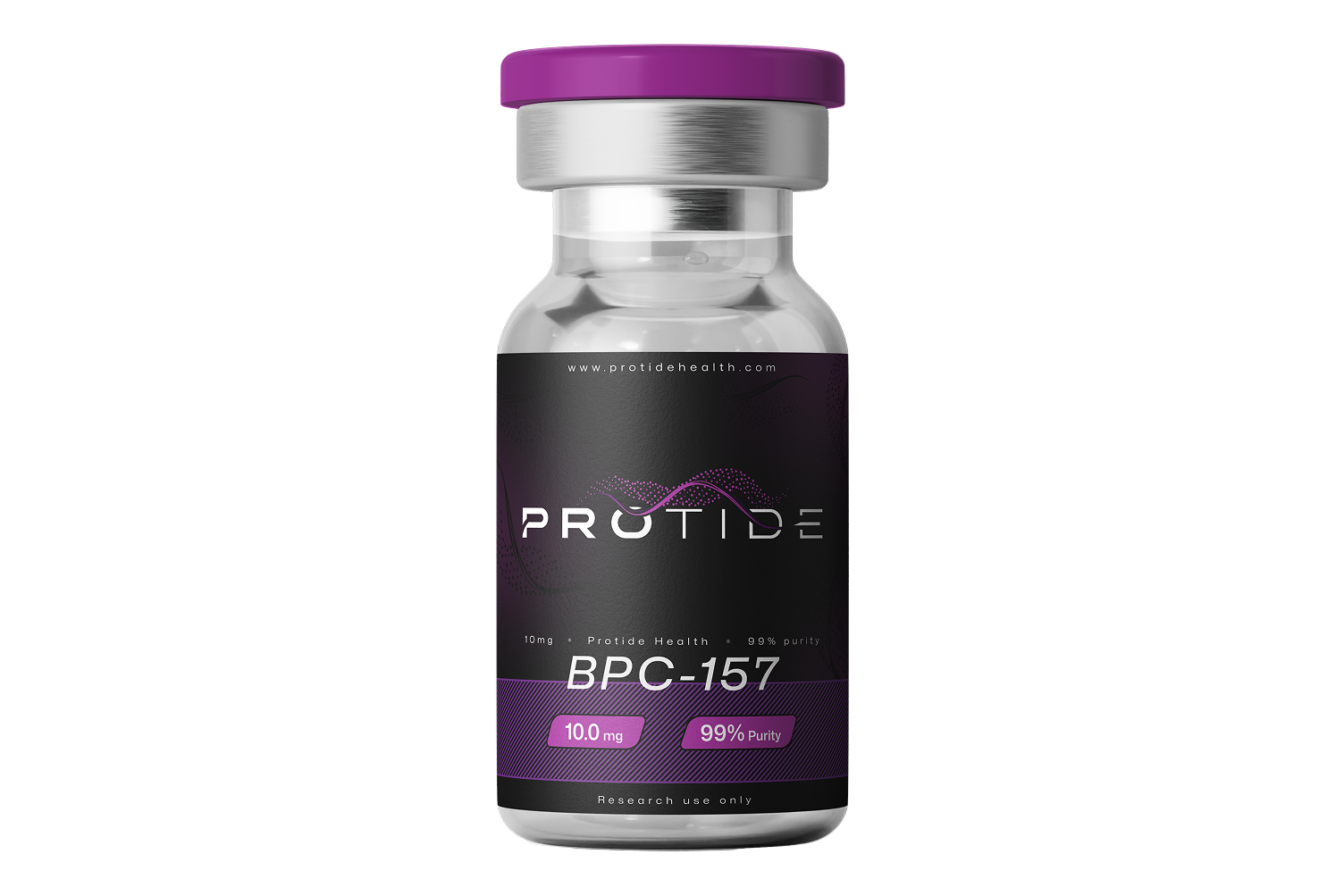
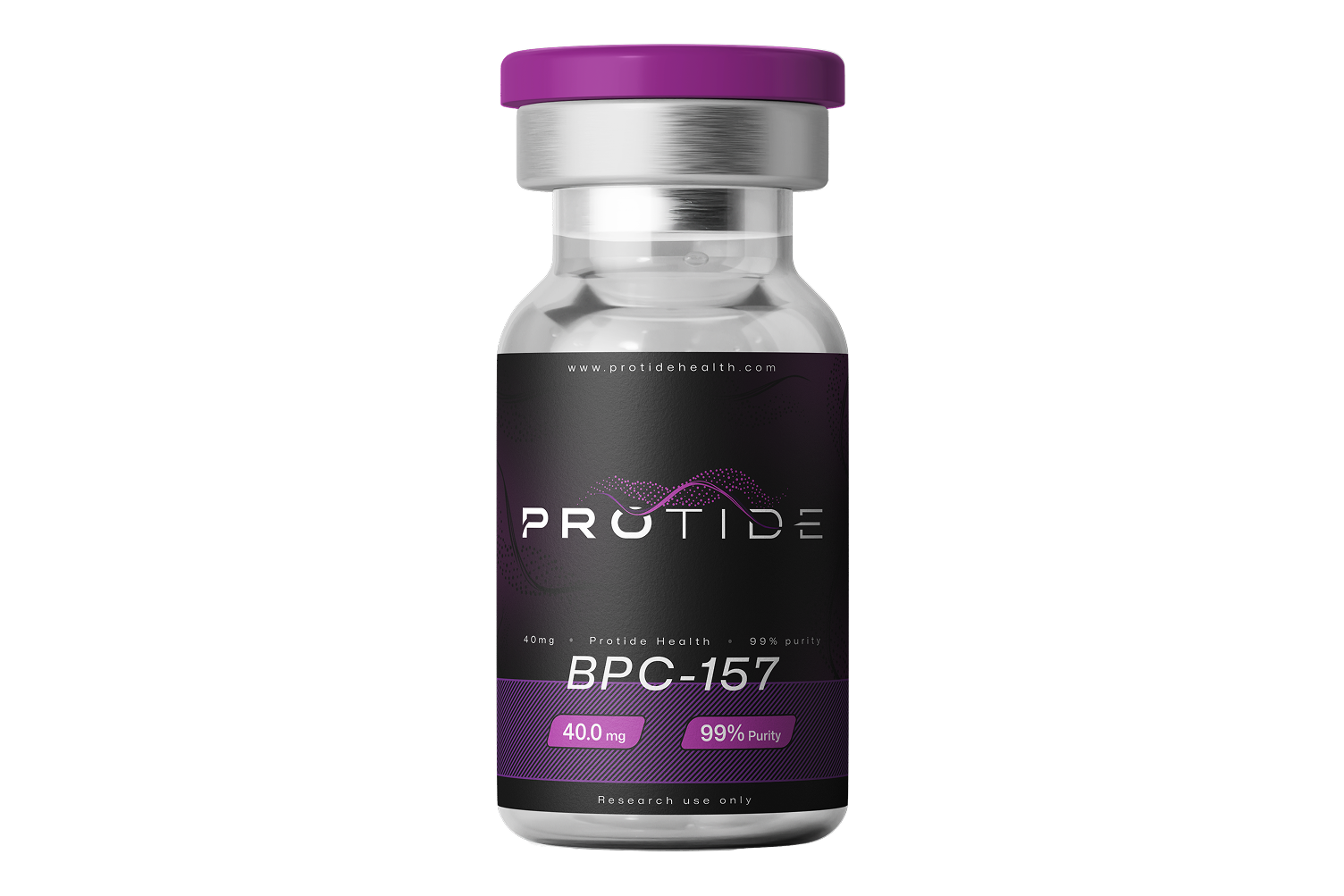
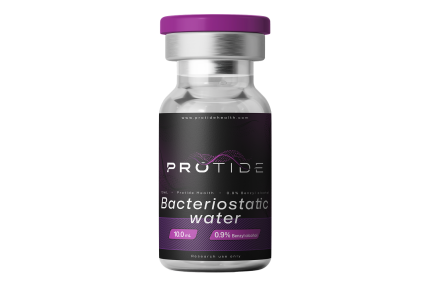
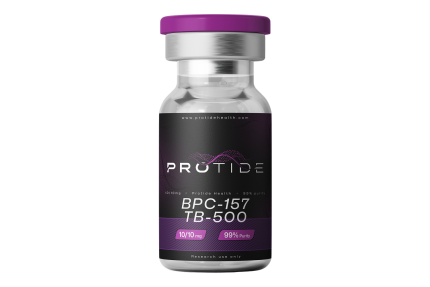
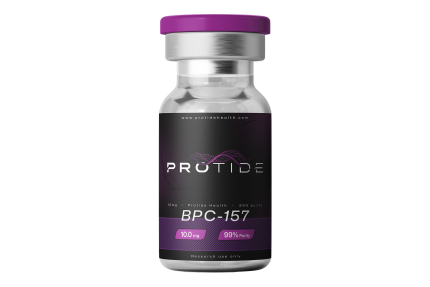
BPC 157 peptide product shot featuring professionally labeled Protide Health 3mL research vials containing white to off-white lyophilized material in 10mg, 20mg, and 40mg sizes, with GEPPPGKPADDAGLV pentadecapeptide identity, 99% purity, HPLC-MS verification, and laboratory-research-only labeling clearly displayed against a clean scientific background.


BPC 157 Peptide 10mg, 20mg & 40mg – Protide Health USA
BPC 157 Peptide Overview & Technical Specifications
BPC 157 peptide is a synthetic pentadecapeptide composed of 15 amino acids and associated with a sequence originally characterized from gastric peptide research.
Its sequence is:
Gly-Glu-Pro-Pro-Pro-Gly-Lys-Pro-Ala-Asp-Asp-Ala-Gly-Leu-Val
or:
GEPPPGKPADDAGLV
Protide Health supplies BPC 157 peptide as 99% purity, HPLC-MS verified, third-party tested lyophilized research material in:
- 10mg
- 20mg
- 40mg
Each size is supplied in a 3mL vial exclusively for qualified laboratory research.
Published BPC-157 research has focused primarily on preclinical models involving:
- Gastrointestinal biology
- Endothelial signaling
- Vascular responses
- Nitric oxide pathways
- VEGF-associated signaling
- FAK/paxillin pathways
- Experimental tissue-response models
- Cell migration
- Angiogenesis-associated research
Human evidence remains extremely limited.
Technical Specifications
- Product Name: BPC-157
- Alternative Names: BPC 157, BPC-157 peptide, Bepecin
- Available Sizes: 10mg, 20mg, 40mg
- Form: Lyophilized powder
- Vial Size: 3mL
- Purity: 99%
- Testing: HPLC-MS verified; third-party tested
- Peptide Type: Synthetic pentadecapeptide
- Peptide Length: 15 amino acids
- Sequence: Gly-Glu-Pro-Pro-Pro-Gly-Lys-Pro-Ala-Asp-Asp-Ala-Gly-Leu-Val
- One-Letter Sequence: GEPPPGKPADDAGLV
- CAS Number: 137525-51-0
- PubChem CID: 9941957
- Molecular Formula: C62H98N16O22
- Molecular Weight: approximately 1419.56 g/mol
- Appearance: White to off-white lyophilized powder
- Solubility: Soluble in water
- Storage: Store sealed at ≤6°C and protected from heat, light, and moisture
- Research Use: Gastrointestinal, vascular, endothelial, biochemical, cellular, analytical, and qualified preclinical research only
PubChem identifies BPC-157 as a 15-amino-acid peptide with the sequence GEPPPGKPADDAGLV, formula C62H98N16O22, and molecular weight approximately 1419.5 g/mol.
BPC 157 Peptide Chemical Structure
The BPC 157 peptide sequence is represented as:
H-Gly-Glu-Pro-Pro-Pro-Gly-Lys-Pro-Ala-Asp-Asp-Ala-Gly-Leu-Val-OH
Researchers can reference the supplied BPC-157 chemical structure associated with PubChem CID 9941957.
Unlike larger peptide hormones, BPC-157 is a short linear peptide with no specified disulfide bond.
Its molecular identity is therefore best defined by:
- Sequence
- Intact molecular mass
- HPLC-MS characterization
- Purity
- Lot-specific analytical documentation
What Is BPC 157 Peptide?
The phrase BPC 157 peptide generally refers to a synthetic 15-amino-acid peptide studied extensively in experimental gastric, vascular, and tissue-response models.
BPC-157 has historically been described in the scientific literature as a “stable gastric pentadecapeptide.”
The compound has been investigated in relation to:
- Gastric mucosal biology
- Intestinal models
- Endothelial responses
- Nitric oxide systems
- Angiogenesis-associated signaling
- Cell migration
- FAK/paxillin pathways
- Experimental tissue injury
Most of these findings come from animals or cell-based experiments rather than modern controlled human trials.
BPC 157 Peptides & Gastric Research
The term BPC 157 peptides is commonly associated with gastrointestinal research because much of the early experimental literature focused on gastric and intestinal models.
Studies and reviews have examined BPC-157 in relation to:
- Gastric mucosal integrity
- Experimental ulcer models
- Intestinal inflammation
- NSAID-associated injury
- Gastrointestinal blood flow
- Cytoprotection
Older reviews also discussed experimental inflammatory-bowel-disease development, although the modern evidence base remains incomplete and largely preclinical.
Protide Health does not represent BPC-157 as a gastrointestinal medication.
BPC 157 Peptide & Vascular Research
One of the better-developed mechanistic themes in BPC-157 research involves vascular signaling.
Research has examined relationships involving:
- Endothelial cells
- Nitric oxide
- VEGF-associated pathways
- Angiogenesis
- Vasculogenesis
- Arteriogenesis
- FAK-related signaling
A widely cited review described BPC-157 in relation to blood-vessel responses and interactions with nitric oxide and growth-factor-associated pathways.
These findings primarily originate from preclinical models.
They do not establish human vascular treatment.
BPC 157 & Nitric Oxide Research
Nitric oxide is an important signaling molecule involved in:
- Vascular tone
- Endothelial function
- Blood-flow regulation
- Cellular signaling
- Inflammatory pathways
BPC-157 research has repeatedly investigated interactions with the nitric oxide system.
Recent reviews continue to discuss possible relationships with nitric oxide synthase and downstream antioxidant and vascular pathways.
However, the exact pharmacological mechanism remains incompletely established.
BPC 157 & FAK/Paxillin Signaling
Another experimental pathway associated with BPC-157 is:
FAK-paxillin signaling
FAK, or focal adhesion kinase, participates in:
- Cellular adhesion
- Migration
- Cytoskeletal organization
- Signal transduction
Preclinical BPC-157 literature has linked the peptide with changes in FAK/paxillin pathways during cellular and tissue-response research.
These mechanisms remain experimental and should not be converted into established clinical regeneration claims.
BPC 157 & VEGF-Associated Research
Vascular endothelial growth factor, or VEGF, is involved in angiogenesis and endothelial biology.
Research involving BPC 157 peptide has examined VEGF-associated signaling in experimental models.
Potential research endpoints include:
- Endothelial migration
- Blood-vessel formation
- Angiogenic signaling
- Tissue perfusion
- Cellular survival
An association with VEGF-related pathways does not demonstrate that BPC-157 safely accelerates healing in humans.
BPC 157 Benefits: Evidence Context
The phrase bpc 157 benefits commonly reflects consumer interest in recovery, gastrointestinal health, injury repair, and other human outcomes.
Published research has investigated BPC-157 in relation to:
- Gastrointestinal models
- Endothelial biology
- Nitric oxide
- Vascular signaling
- Cellular migration
- Experimental tissue injury
- Neural and musculoskeletal models
However, these findings do not establish that Protide Health BPC-157:
- Heals human injuries
- Repairs tendons or ligaments
- Treats inflammatory bowel disease
- Treats ulcers
- Accelerates athletic recovery
- Builds muscle
- Treats neurological disorders
- Provides proven regenerative benefits
The majority of published evidence remains preclinical.
BPC 157 Side Effects: Evidence Context
The phrase bpc 157 side effects concerns human safety.
A comprehensive modern human safety profile has not been established.
Important limitations include:
- Very small human datasets
- Limited controlled clinical evidence
- No established approved human formulation
- No validated dosing regimen
- Limited long-term safety data
- Limited pharmacokinetic information
A 2025 pilot study reported BPC-157 intravenous exposure in only two adults, with no adverse findings in the parameters measured.
That study is far too small to establish general safety.
A 2026 biopharmaceutical review likewise concluded that translational development remains limited and that validated human dosing and completed Phase II evidence remain absent.
Protide Health therefore does not claim that BPC-157 is safe for human administration.
BPC-157 Side Effects & Research Limitations
The alternate keyword bpc-157 side effects refers to the same safety question.
Absence of reported toxicity in many animal experiments does not prove human safety.
Animal studies can differ from human use in:
- Pharmacokinetics
- Metabolism
- Exposure
- Route
- Dose
- Duration
- Immune responses
- Product formulation
Researchers should therefore avoid interpreting a favorable rodent safety profile as a comprehensive clinical safety assessment.
BPC 157 Dosage Search Context
The phrase bpc 157 dosage usually concerns human administration.
Protide Health does not provide human dosing instructions.
The available quantities:
- 10mg
- 20mg
- 40mg
represent total research material contained in each vial.
They are not recommended human doses.
No instructions are provided for:
- Human injection
- Daily administration
- Oral use
- Dose escalation
- Injury protocols
- Recovery schedules
- Body-weight calculations
- Treatment cycles
- Reconstitution for human administration
Animal research doses and limited experimental human exposures should not be converted into self-administration guidance.
BPC 157 Capsules Search Context
The phrase bpc 157 capsules usually reflects interest in oral consumer products.
Protide Health supplies the current BPC-157 product as:
lyophilized laboratory research material
not as capsules.
The supplied research format is:
- Lyophilized powder
- 3mL vial
- 10mg, 20mg, or 40mg
- 99% purity
- HPLC-MS verified
Protide Health does not provide oral-use instructions or represent BPC-157 as an ingestible supplement.
BPC 157 and TB 500
The phrase bpc 157 and tb 500 commonly refers to research involving BPC-157 alongside thymosin beta-4/TB-500.
The two peptides are structurally different.
BPC-157
- 15 amino acids
- Molecular weight ~1419.56 g/mol
- Sequence GEPPPGKPADDAGLV
- Research centered on vascular, gastrointestinal, and signaling models
TB-500 / Full-Length Thymosin Beta-4
- 43 amino acids
- Much larger molecular size
- Strongly associated with actin-binding and cytoskeletal research
The compounds should not be considered interchangeable.
Combining them also does not automatically establish synergistic activity.
Direct combination studies and proper controls are needed to demonstrate interaction.
BPC 157 Peptide & Cell Migration
Cell migration is an important biological process in:
- Development
- Vascular biology
- Immune responses
- Tissue remodeling
Preclinical BPC-157 research has examined migration-related signaling in several cellular systems.
FAK/paxillin and endothelial pathways are among the mechanisms proposed in this literature.
These findings remain mechanistic research rather than established clinical effects.
BPC 157 Peptide & Experimental Tissue Models
Many commercial descriptions of BPC-157 focus on “healing.”
Scientifically, a more accurate description is that BPC 157 peptide has been investigated in experimental tissue-response models.
These include preclinical research involving:
- Tendon
- Ligament
- Muscle
- Peripheral nerve
- Skin
- Gastrointestinal tissue
- Vascular tissue
The strength and reproducibility of evidence differ substantially between models.
Experimental tissue findings should not be translated into human treatment claims.
BPC 157 Peptide & Nervous-System Research
Some BPC-157 literature has also investigated nervous-system models.
Topics reported in reviews include:
- Peripheral nerve injury
- Brain-gut signaling
- Dopaminergic systems
- Serotonergic systems
- Experimental traumatic injury
Much of this work comes from animal models and from a relatively concentrated research literature.
Protide Health does not represent BPC-157 as a neurological treatment.
BPC 157 & Cytoprotection Research
The term cytoprotection appears frequently in BPC-157 literature.
In experimental pharmacology, cytoprotection refers broadly to protection of cells or tissues against particular damaging conditions.
BPC-157 reviews have examined this concept in:
- Gastric tissue
- Intestinal tissue
- Endothelial systems
- Drug-associated injury models
The term should not be confused with a general claim that the compound protects every organ or prevents human disease.
Human Evidence for BPC-157
Human evidence remains one of the largest limitations in BPC-157 research.
PubChem currently notes BPC-157/bepecin in association with an investigational clinical-trial record, but regulatory approval has not followed.
A recent review notes that despite decades of preclinical research:
- There is no approved BPC-157 formulation.
- There is no validated clinical dosing regimen.
- Translational development remains incomplete.
- Robust Phase II evidence is lacking.
The 2025 two-person safety pilot is useful as preliminary information but cannot resolve these larger evidence gaps.
BPC 157 Peptide Research Applications
Qualified laboratories may investigate BPC 157 peptide in research involving:
- Endothelial biology
- Nitric oxide signaling
- VEGF-associated pathways
- FAK/paxillin signaling
- Cell migration
- Gastrointestinal models
- Cytoprotection
- Experimental vascular biology
- Peptide stability
- Analytical characterization
Experimental concentrations should be based on validated research methodology rather than human-use protocols.
Related Protide Health Research Products
Researchers comparing other metabolic peptide systems may review Survodutide 10mg for a chemically and pharmacologically distinct receptor-agonist research model.
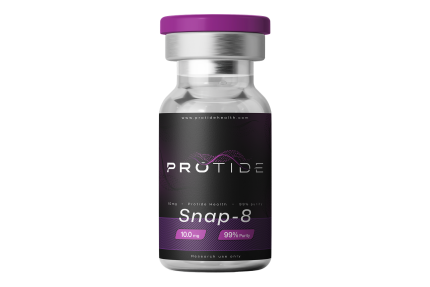
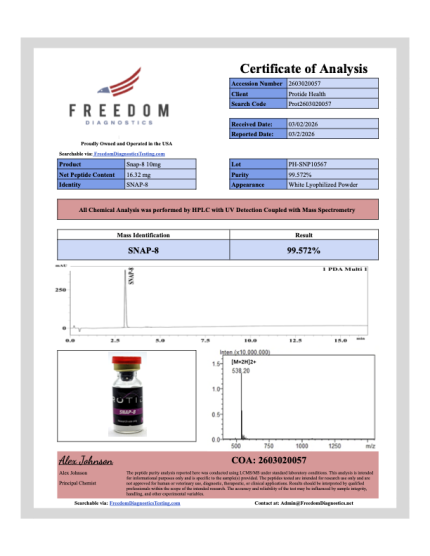
The SNAP-8 10mg research peptide provides a separate synthetic peptide system with different structural and experimental characteristics.
Researchers may also examine Semax 10mg for a structurally distinct neuropeptide research model.
These products should not be considered chemically or mechanistically interchangeable with BPC 157 peptide.
Research Format & Storage
Protide Health supplies BPC 157 peptide in:
- 10mg
- 20mg
- 40mg
Product specifications include:
- Form: Lyophilized powder
- Vial Size: 3mL
- Purity: 99%
- Testing: HPLC-MS verified
- Verification: Third-party tested
- Appearance: White to off-white
- Solubility: Soluble in water
Storage specifications:
- Store at ≤6°C
- Keep sealed
- Protect from heat
- Protect from direct light
- Protect from moisture
These specifications describe laboratory storage characteristics only.
Research Limitations
Several limitations should be considered when interpreting BPC-157 research:
- Most BPC-157 evidence remains preclinical.
- Much of the literature comes from a relatively concentrated research network.
- Animal healing models do not establish human recovery benefits.
- Gastrointestinal animal findings do not establish treatment of human gastrointestinal disease.
- Vascular signaling findings do not establish human regenerative effects.
- A comprehensive pharmacokinetic profile remains incomplete.
- No validated human dosing regimen has been established.
- No approved BPC-157 pharmaceutical formulation exists.
- The 2025 human IV pilot involved only two adults.
- Absence of adverse findings in two participants cannot establish broad human safety.
- BPC-157 plus TB-500 combination claims require direct controlled evidence.
- Online capsule and dosing claims should not be treated as validated scientific guidance.
- The 10mg, 20mg, and 40mg values describe vial contents, not human doses.
For these reasons, BPC 157 peptide is supplied strictly for qualified laboratory research.
Literature & Citation Index
BPC 157 and Blood-Vessel Research
Research Context: BPC-157, vascular signaling, endothelium, nitric oxide, VEGF-associated pathways, angiogenesis, vasculogenesis, arteriogenesis, and experimental tissue models.
Published reviews describe broad vascular and cytoprotective hypotheses, while emphasizing that much of the evidence comes from experimental systems.
Multifunctionality and Possible Medical Application of the BPC 157 Peptide
Year: 2025
PMID: 40005999
Research Context: BPC-157 biology, gastrointestinal models, tissue injury, inflammatory models, mechanisms, safety questions, regulatory status, and translational limitations.
Safety of Intravenous Infusion of BPC157 in Humans: A Pilot Study
Year: 2025
PMID: 40131143
Research Context: Preliminary human safety assessment involving two adults exposed to intravenous BPC-157.
The very small sample means the study cannot establish general human safety.
BPC-157 as an Investigational Peptide Therapeutic
Year: 2026
PMID: 42198317
Research Context: Pharmaceutical development, formulation, pharmacokinetics, translational barriers, absence of validated dosing, and limited clinical development.
Researchers can review broader BPC-157 literature indexed by PubMed for additional peer-reviewed research.
Frequently Asked Questions
What is BPC 157 peptide?
BPC 157 peptide is a synthetic 15-amino-acid pentadecapeptide with the sequence GEPPPGKPADDAGLV.
What is the BPC-157 sequence?
The sequence is:
Gly-Glu-Pro-Pro-Pro-Gly-Lys-Pro-Ala-Asp-Asp-Ala-Gly-Leu-Val
or:
GEPPPGKPADDAGLV
How many amino acids does BPC-157 contain?
BPC-157 contains 15 amino acids.
What is the molecular formula?
The molecular formula is:
C62H98N16O22
What is the molecular weight?
The molecular weight is approximately:
1419.56 g/mol
What is the CAS number?
The CAS number is:
137525-51-0
What is the PubChem CID?
The PubChem identifier is:
CID 9941957
What are BPC 157 benefits?
Preclinical research has investigated gastrointestinal, endothelial, vascular, nitric-oxide, cell-migration, and experimental tissue-response pathways. These findings do not establish human BPC 157 benefits.
What are BPC 157 side effects?
A comprehensive human safety profile has not been established. A 2025 pilot included only two adults, which is insufficient to determine broad safety.
What are BPC-157 side effects?
The same limitation applies to searches for BPC-157 side effects: available human evidence is too limited to establish a reliable adverse-event profile.
What is BPC 157 dosage?
Protide Health does not provide human BPC 157 dosage instructions. The 10mg, 20mg, and 40mg quantities describe vial contents only.
Does Protide Health sell BPC 157 capsules?
No. The current product is supplied as lyophilized laboratory research material in a 3mL vial, not as BPC 157 capsules.
What is BPC 157 and TB 500?
BPC 157 and TB 500 refers to research involving two chemically distinct peptides. BPC-157 is a 15-amino-acid pentadecapeptide, while the full-length TB-500/thymosin beta-4 research identity contains 43 amino acids.
Is BPC-157 proven to heal injuries in humans?
No. Much of the positive tissue-response evidence comes from animal or cellular models. Robust controlled human efficacy evidence is lacking.
Is BPC-157 FDA approved?
No. BPC-157 is not an FDA-approved therapeutic product.
What sizes are available?
Protide Health supplies:
- 10mg
- 20mg
- 40mg
What purity does Protide Health specify?
Protide Health specifies 99% purity, HPLC-MS verification, and third-party testing.
Is BPC-157 intended for human use?
No. BPC 157 peptide is supplied exclusively for gastrointestinal, vascular, endothelial, biochemical, molecular, analytical, in-vitro, and qualified preclinical research.
Laboratory Terms & Compliance
Laboratory Research Use Only
This BPC 157 peptide product is supplied exclusively for laboratory research, gastrointestinal models, vascular and endothelial studies, nitric-oxide signaling research, cell-migration investigation, analytical testing, biochemical experimentation, molecular studies, in-vitro research, and qualified preclinical experimentation.
It is not intended for human or veterinary consumption, injury treatment, wound treatment, gastrointestinal treatment, athletic recovery, bodybuilding, medical use, injection, oral administration, diagnostic use, therapeutic use, or clinical administration.
No human dosage, injection schedule, oral-use protocol, injury-recovery protocol, athletic protocol, body-weight calculation, treatment cycle, reconstitution instructions for human administration, or clinical guidance is provided.
The purchaser is responsible for appropriate laboratory handling, storage, experimental validation, and use under applicable institutional, federal, state, and local requirements.
For research use only.
| Select vial strength |
10mg ,20mg ,40mg |
|---|


MAECENAS IACULIS
Vestibulum curae torquent diam diam commodo parturient penatibus nunc dui adipiscing convallis bulum parturient suspendisse parturient a.Parturient in parturient scelerisque nibh lectus quam a natoque adipiscing a vestibulum hendrerit et pharetra fames nunc natoque dui.
ADIPISCING CONVALLIS BULUM
- Vestibulum penatibus nunc dui adipiscing convallis bulum parturient suspendisse.
- Abitur parturient praesent lectus quam a natoque adipiscing a vestibulum hendre.
- Diam parturient dictumst parturient scelerisque nibh lectus.
Scelerisque adipiscing bibendum sem vestibulum et in a a a purus lectus faucibus lobortis tincidunt purus lectus nisl class eros.Condimentum a et ullamcorper dictumst mus et tristique elementum nam inceptos hac parturient scelerisque vestibulum amet elit ut volutpat.
Related products
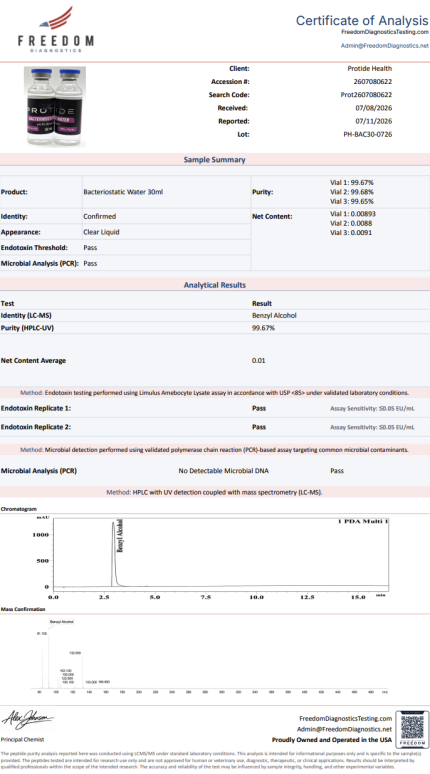
Bacteriostatic Water (0.9% Benzyl Alcohol)
Price range: $14.99 through $18.99
DSIP
$100.00
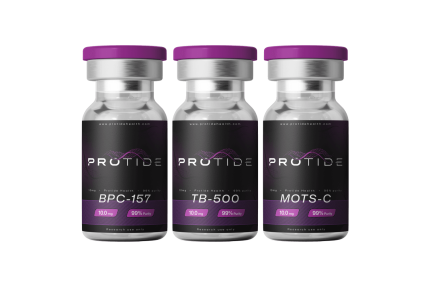
Research Bundle (bpc 157 and tb 500, MOTS-c)
Original price was: $215.00.$205.00Current price is: $205.00.
Reviews
There are no reviews yet.