
5-Amino 1-MQ
Price range: $45.00 through $110.00
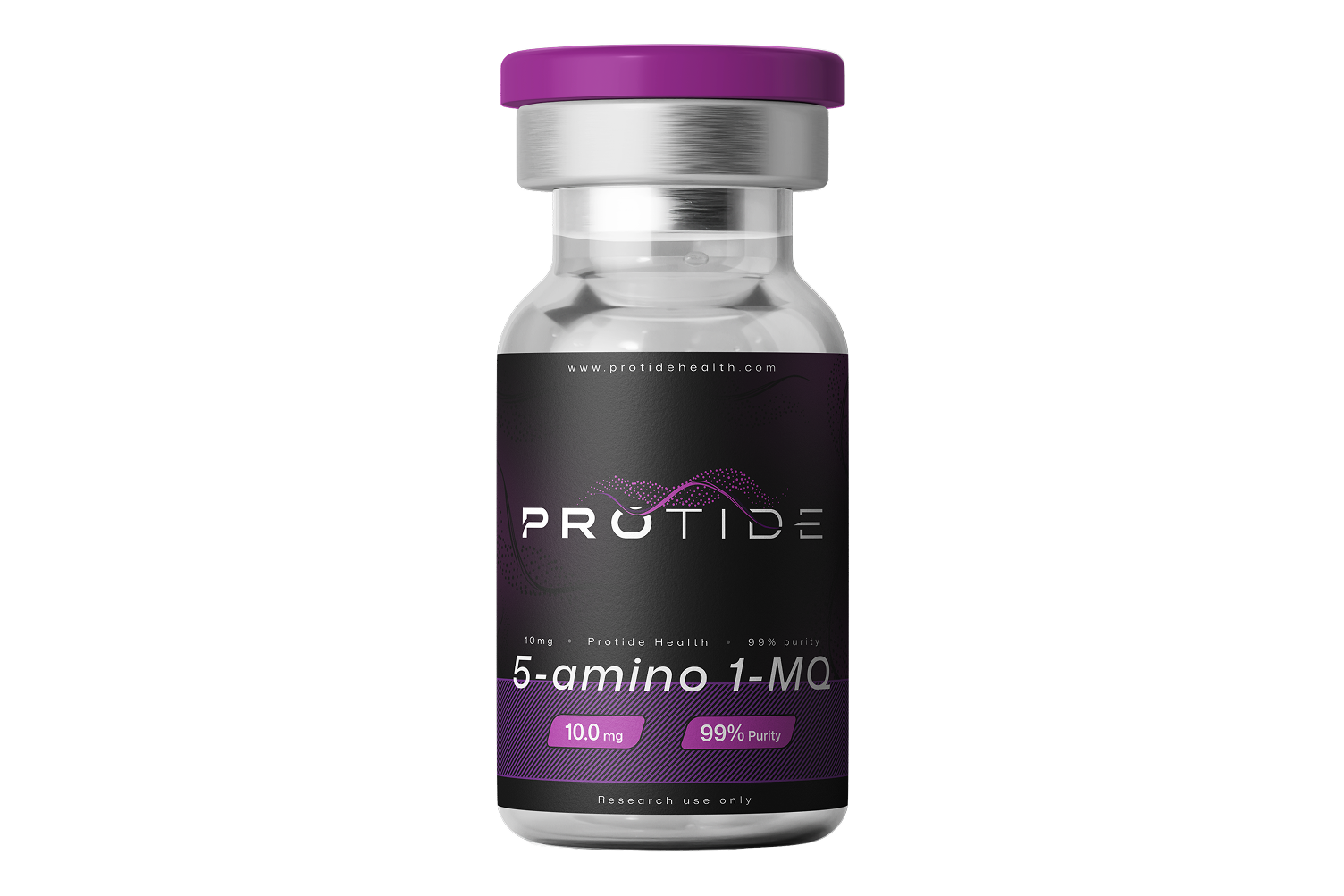
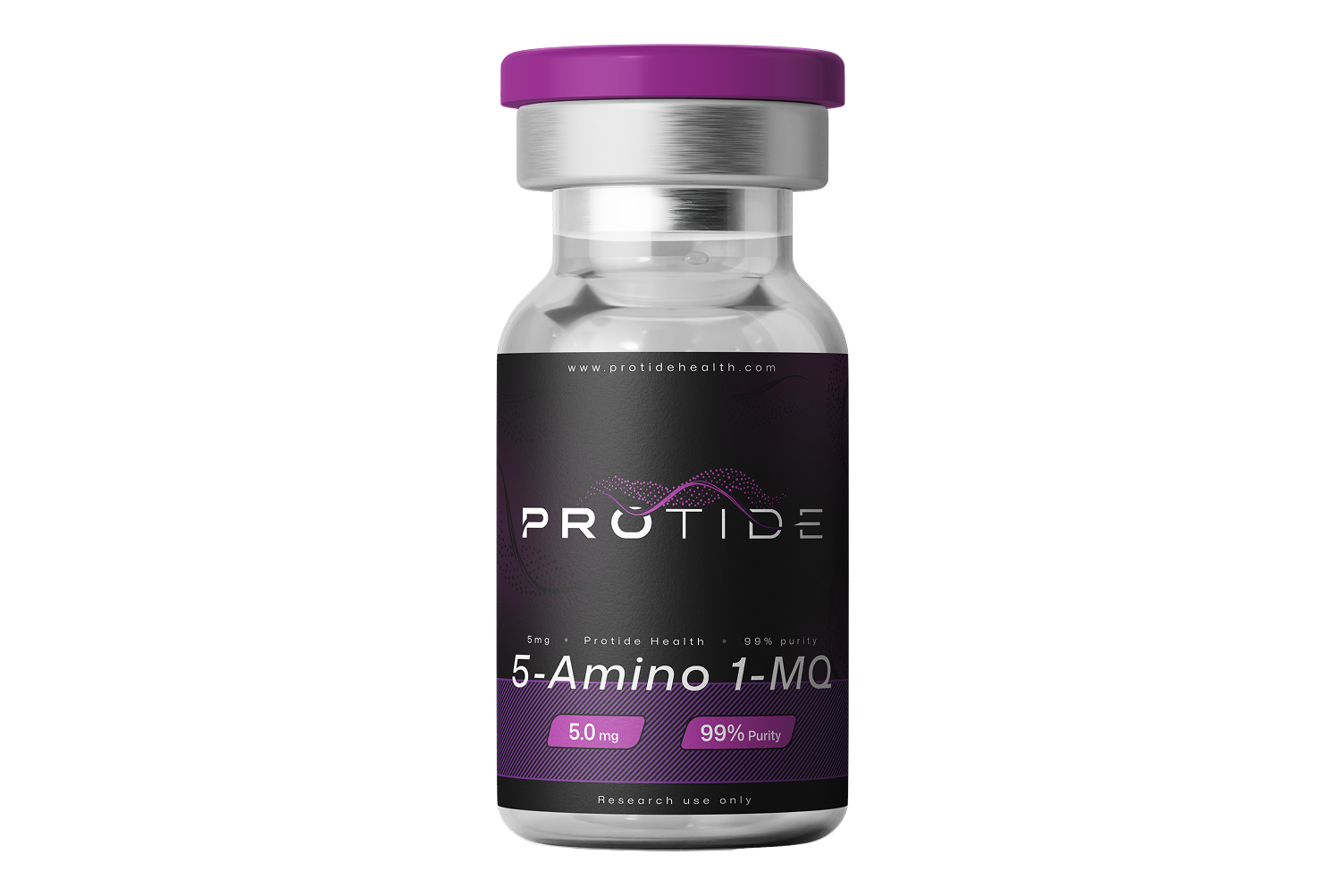
5 amino 1 mq product shot featuring professionally labeled Protide Health 3mL research vials containing white to off-white lyophilized 5-amino-1-methylquinolinium research material in 5mg, 10mg, and 50mg sizes, with NNMT-inhibitor classification, 99% purity, HPLC-MS verification, and laboratory-research-only labeling clearly displayed against a clean scientific background.


5 Amino 1 MQ Research Compound – Protide Health USA
5 Amino 1 MQ Overview & Technical Specifications
5 amino 1 mq is a small-molecule quinolinium-class research compound investigated primarily as an inhibitor of nicotinamide N-methyltransferase, commonly abbreviated NNMT.
Unlike most products in the Protide Health peptide catalog, 5 amino 1 mq is not a peptide and does not have an amino-acid sequence.
The compound is commonly described as:
- 5-Amino-1MQ
- 5-Amino 1MQ
- 5-Amino-1-MQ
- 5-Amino-1-methylquinolinium
- NNMT inhibitor
- NNMTi
Protide Health supplies 5 amino 1 mq as 99% purity, HPLC-MS verified, third-party tested lyophilized research material in:
- 5mg
- 10mg
- 50mg
Each size is supplied in a 3mL vial strictly for qualified laboratory research.
Technical Specifications
- Product Name: 5-Amino-1MQ
- Available Sizes: 5mg, 10mg, 50mg
- Form: Lyophilized powder
- Vial Size: 3mL
- Purity: 99%
- Testing: HPLC-MS verified; third-party tested
- Compound Type: Small-molecule quinolinium NNMT inhibitor
- Sequence: N/A
- PubChem CID: 950107
- PubChem Cation Formula: C10H11N2+
- Cation Molecular Weight: approximately 159.21 g/mol
- Appearance: White to off-white lyophilized powder
- Solubility: Soluble in water
- Storage: Store sealed at ≤6°C and protected from heat, light, and moisture
- Research Use: NNMT, NAD+/SAM metabolism, adipocyte biology, biochemical, cellular, analytical, and qualified preclinical research only
Researchers can review the supplied 5-Amino-1MQ chemical structure.
5 Amino 1 MQ Identity & Salt-Form Clarification
An important chemical distinction applies to 5 amino 1 mq.
PubChem CID 950107 represents the 5-amino-1-methylquinolinium cation with:
- Formula: C10H11N2+
- Molecular Weight: approximately 159.21 g/mol
The supplied CAS number:
42464-96-0
is commonly associated with the iodide salt of 5-amino-1-methylquinolinium.
That iodide salt has a different composition and molecular weight because the counterion contributes to the complete formula.
For this reason, a live product specification should not combine:
CAS 42464-96-0
with:
C10H11N2 / 159.21 g/mol
without explicitly stating whether the material is the free cation representation or a specific salt.
The most reliable product identity should therefore come from:
- Lot-specific HPLC-MS
- Exact salt/counterion specification
- Molecular mass
- Certificate of Analysis
- Analytical documentation
What Is 5 Amino 1 MQ?
5 amino 1 mq is a synthetic small molecule investigated as an inhibitor of:
Nicotinamide N-methyltransferase
or:
NNMT
NNMT is a cytosolic methyltransferase enzyme involved in nicotinamide metabolism.
The enzyme catalyzes transfer of a methyl group from:
S-adenosyl-L-methionine (SAM)
to:
Nicotinamide
forming:
1-methylnicotinamide (1-MNA)
and:
S-adenosyl-L-homocysteine
This positions NNMT at the intersection of several metabolic pathways involving methyl-donor balance, nicotinamide metabolism, and cellular energy regulation.
5 Amino 1 MQ & NNMT Research
The strongest research context for 5 amino 1 mq involves selective NNMT inhibition.
A 2017 study investigating small-molecule NNMT inhibitors reported that 5-amino-1MQ:
- Reduced intracellular 1-MNA
- Increased intracellular NAD+
- Increased intracellular SAM
- Suppressed lipogenesis in adipocytes
- Produced metabolic effects in diet-induced-obese mice
The study described 5-amino-1MQ as a selective, membrane-permeable NNMT inhibitor.
These findings are preclinical and should not be interpreted as established human therapeutic effects.
5 Amino 1 MQ & NAD+ Research
Because NNMT consumes nicotinamide, inhibition of NNMT can affect pathways connected to NAD+ metabolism.
Nicotinamide can participate in the NAD+ salvage pathway.
Experimental NNMT inhibition has therefore been associated with changes in:
- Nicotinamide availability
- NAD+ levels
- 1-MNA formation
- Cellular redox systems
- Energy metabolism
In adipocyte research, 5-amino-1MQ treatment was associated with increased intracellular NAD+ alongside reduced 1-MNA formation.
This is a mechanistic research finding rather than evidence that the Protide Health product raises NAD+ in humans.
5 Amino 1 MQ & SAM Metabolism
NNMT also consumes the methyl donor:
S-adenosyl-L-methionine
or:
SAM
By inhibiting NNMT, researchers can investigate changes in:
- SAM availability
- Methyl-donor balance
- Methyltransferase activity
- Metabolic flux
- Cellular methylation pathways
The 2017 NNMT-inhibitor study reported increased intracellular SAM following NNMT inhibition in adipocytes.
This gives 5 amino 1 mq a useful role in experimental metabolic-pathway research beyond simple adiposity endpoints.
5 Amino 1 MQ & Adipocyte Research
Adipocytes are one of the most frequently studied cell systems in 5-Amino-1MQ literature.
Experimental research has examined:
- Adipocyte differentiation
- Lipogenesis
- Intracellular NAD+
- SAM
- 1-MNA
- Cellular energy regulation
- Lipid storage
The 2017 study found that NNMT inhibitors suppressed lipogenesis in cultured adipocytes.
These findings do not establish a human fat-loss effect.
5 Amino 1 MQ Benefits: Evidence Context
The phrase 5 amino 1 mq benefits commonly refers to consumer claims involving weight loss or metabolic improvement.
Published preclinical research has investigated 5-Amino-1MQ in relation to:
- NNMT inhibition
- Adiposity
- Lipogenesis
- NAD+ metabolism
- SAM metabolism
- Glucose tolerance
- Insulin sensitivity
- Hepatic steatosis
- Metabolic biomarkers
These findings do not establish that Protide Health 5 amino 1 mq:
- Causes human weight loss
- Treats obesity
- Treats diabetes
- Improves insulin sensitivity in humans
- Treats fatty liver disease
- Produces body-composition changes in humans
The compound is supplied strictly as laboratory research material.
5 Amino 1 MQ & Diet-Induced Obesity Models
A more recent animal study examined 5A1MQ in diet-induced-obese mice over 28 days.
The researchers reported dose-dependent changes involving:
- Body-weight gain
- Fat-mass gain
- Oral glucose tolerance
- Insulin sensitivity
- Hyperinsulinemia
- Liver triglycerides
- Hepatic steatosis
- Macrophage infiltration
The study also evaluated pharmacokinetics and tissue distribution.
These are mouse data.
They should not be translated into human treatment claims.
5 Amino 1 MQ & Liver Research
The same diet-induced-obesity study examined hepatic outcomes.
Experimental findings included changes in:
- Liver weight
- Liver triglycerides
- Histological steatosis
- Macrophage infiltration
- ALT
- AST
- Ketone bodies
The authors interpreted these findings as evidence supporting NNMT inhibition as a metabolic research strategy in obese mice.
Protide Health does not claim that 5-Amino-1MQ treats fatty liver disease or liver dysfunction in humans.
5 Amino 1 MQ & Glucose Metabolism Research
NNMT inhibition has also been studied in metabolic models involving:
- Glucose tolerance
- Insulin sensitivity
- Hyperinsulinemia
- Cellular metabolic regulation
Published animal studies involving 5-Amino-1MQ or related NNMT inhibitors reported changes in these endpoints.
Importantly, some studies use different NNMT inhibitors.
Results involving another NNMT inhibitor should not automatically be attributed to 5-Amino-1MQ.
5 Amino 1 MQ Dosing Search Context
The phrase 5 amino 1 mq dosing generally concerns human administration.
Protide Health does not provide human dosing instructions.
The available quantities:
- 5mg
- 10mg
- 50mg
represent total research material contained in each vial.
They are not recommended doses.
No instructions are provided for:
- Human injection
- Oral administration
- Daily dosing
- Weight-loss protocols
- Treatment cycles
- Body-weight calculations
- Reconstitution for human administration
Published animal exposures should not be converted into human-use recommendations.
5 Amino 1 MQ Dosage Search Context
The phrase 5 amino 1 mq dosage refers to the same human-use intent.
Animal studies have used defined experimental doses under controlled conditions.
Those values cannot establish an appropriate human 5 amino 1 mq dosage because of differences in:
- Species
- Pharmacokinetics
- Metabolism
- Exposure
- Formulation
- Route
- Safety monitoring
Protide Health therefore provides no human dosage recommendation.
5-Amino-1-MQ Terminology
The names:
- 5-amino-1-mq
- 5-amino-1 mq
- 5 amino 1 mq
- 5-Amino-1MQ
are commonly used for the same NNMT inhibitor research compound.
For scientific purposes, the preferred structural name is:
5-amino-1-methylquinolinium
Researchers should still verify the exact salt or counterion form used in each experiment.
NMN 5 Amino 1 MQ Search Context
The phrase nmn 5 amino 1 mq commonly appears because both NMN and 5-Amino-1MQ are discussed in research involving NAD+ metabolism.
However, the compounds are fundamentally different.
NMN
Nicotinamide mononucleotide is an NAD+ precursor involved directly in the NAD+ biosynthetic pathway.
5-Amino-1MQ
5-Amino-1MQ is an NNMT inhibitor investigated for its ability to reduce conversion of nicotinamide into 1-MNA.
The relationship is therefore mechanistic rather than chemical.
The compounds should not be described as equivalent.
5 Amino 1 MQ Peptide Search Context
The phrase 5 amino 1 mq peptide appears in search results, but this terminology is chemically inaccurate.
5-Amino-1MQ is not a peptide.
It is a:
small-molecule quinolinium NNMT inhibitor
It has no peptide sequence and does not consist of amino acids linked through peptide bonds.
Protide Health should preserve this distinction for scientific accuracy even when optimizing for the keyword 5 amino 1 mq peptide.
5 Amino 1 MQ vs Peptide Research Products
Unlike peptide products, 5-Amino-1MQ:
- Has no amino-acid sequence
- Has no peptide backbone
- Is much smaller in molecular mass
- Belongs to a quinolinium chemical class
- Acts through enzyme inhibition rather than peptide-receptor agonism
This makes it chemically distinct from most other Protide Health research products.
Related Protide Health Research Products
Researchers examining nicotinamide and NAD+-related systems may review NAD+ for a chemically distinct nicotinamide adenine dinucleotide research material.
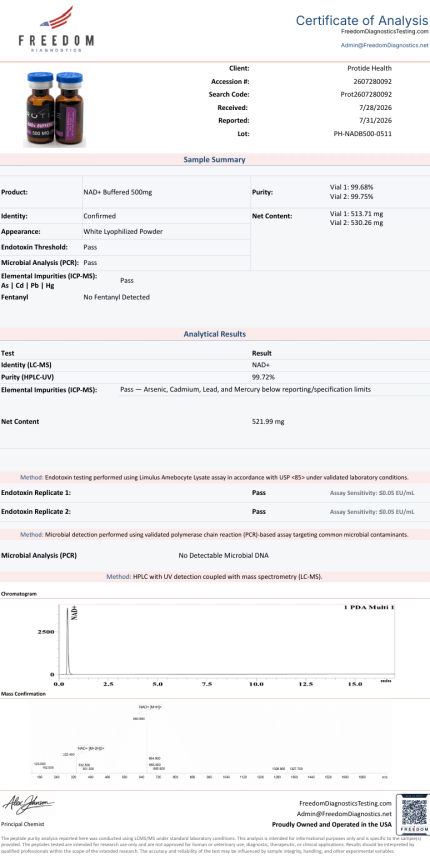
The Buffered NAD+ research product provides a separate formulation for NAD+-focused analytical and metabolic research.
Researchers may also examine Glutathione for a distinct intracellular redox-system research compound.
These products should not be considered chemically or mechanistically interchangeable with 5 amino 1 mq.
Research Applications
Qualified laboratories may investigate 5 amino 1 mq in research involving:
- NNMT enzymology
- Nicotinamide metabolism
- 1-MNA formation
- NAD+ salvage pathways
- SAM metabolism
- Adipocyte biology
- Lipogenesis
- Energy homeostasis
- Metabolic signaling
- Glucose-regulation models
- Liver-metabolism models
- Analytical small-molecule characterization
Appropriate controls should distinguish NNMT-specific effects from broader metabolic changes.
Research Format & Storage
Protide Health supplies 5 amino 1 mq in:
- 5mg
- 10mg
- 50mg
Product specifications include:
- Form: Lyophilized powder
- Vial Size: 3mL
- Purity: 99%
- Testing: HPLC-MS verified
- Verification: Third-party tested
- Appearance: White to off-white
- Solubility: Soluble in water
Storage specifications:
- Store at ≤6°C
- Keep sealed
- Protect from heat
- Protect from direct light
- Protect from moisture
These specifications describe laboratory storage characteristics only.
Research Limitations
Several limitations should be considered when interpreting 5 amino 1 mq research:
- 5-Amino-1MQ is a small molecule, not a peptide.
- Most direct efficacy research is preclinical.
- Major metabolic studies use cultured cells and mouse models.
- Mouse weight-loss findings do not establish human weight loss.
- Glucose-tolerance findings do not establish human diabetes treatment.
- Liver findings do not establish human fatty-liver treatment.
- Results from other NNMT inhibitors cannot automatically be assigned to 5-Amino-1MQ.
- The exact salt/counterion form materially affects molecular formula and molecular weight.
- CAS 42464-96-0 should not be paired uncritically with the 159.21 g/mol cation mass.
- The 5mg, 10mg, and 50mg quantities identify vial contents, not human doses.
- Protide Health 5-Amino-1MQ is not an FDA-approved pharmaceutical product.
For these reasons, the compound is supplied strictly for qualified laboratory research.
Literature & Citation Index
Selective and Membrane-Permeable Small Molecule Inhibitors of Nicotinamide N-Methyltransferase Reverse High-Fat-Diet-Induced Obesity in Mice
Year: 2017
PMID: 29155147
Research Context: 5-Amino-1MQ, NNMT inhibition, adipocytes, 1-MNA, NAD+, SAM, lipogenesis, diet-induced obesity, and mouse metabolic research.
The study reported reduced 1-MNA, increased intracellular NAD+ and SAM, reduced lipogenesis in adipocytes, and metabolic changes in obese mice.
Nicotinamide N-Methyltransferase Inhibition Mitigates Obesity-Related Metabolic Dysfunction
Year: 2024
PMID: 39161060
Research Context: 5A1MQ, diet-induced-obesity mice, body composition, glucose tolerance, insulin sensitivity, hepatic steatosis, pharmacokinetics, and tissue distribution.
Reduced Calorie Diet Combined With NNMT Inhibition Establishes a Distinct Microbiome in DIO Mice
Year: 2022
PMID: 35013352
Research Context: 5-amino-1-methylquinolinium, NNMT inhibition, diet-induced-obesity models, adiposity, body weight, diet interaction, and microbiome research.
Researchers can review broader 5-Amino-1MQ and NNMT research indexed by PubMed for additional peer-reviewed literature.
Frequently Asked Questions
What is 5 amino 1 mq?
5 amino 1 mq is a small-molecule quinolinium compound investigated as an inhibitor of nicotinamide N-methyltransferase, or NNMT.
Is 5 amino 1 mq a peptide?
No. Despite searches for 5 amino 1 mq peptide, it is chemically a small molecule rather than a peptide.
What does NNMT do?
NNMT transfers a methyl group from SAM to nicotinamide to generate 1-methylnicotinamide.
What is the PubChem CID?
The PubChem identifier is:
CID 950107
What is the molecular weight?
For the PubChem 5-amino-1-methylquinolinium cation representation, the molecular weight is approximately:
159.21 g/mol
What is the molecular formula?
The PubChem cation representation is:
C10H11N2+
What about CAS 42464-96-0?
CAS 42464-96-0 is commonly associated with the iodide salt of 5-amino-1-methylquinolinium. The exact salt/counterion should therefore be confirmed from lot-specific analytical documentation.
What are 5 amino 1 mq benefits?
Preclinical studies have examined NNMT inhibition, adiposity, glucose metabolism, liver pathology, NAD+, SAM, and lipogenesis, but established human 5 amino 1 mq benefits have not been demonstrated.
What is 5 amino 1 mq dosing?
Protide Health does not provide human 5 amino 1 mq dosing instructions. The listed 5mg, 10mg, and 50mg values identify vial contents only.
What is the 5 amino 1 mq dosage?
No human 5 amino 1 mq dosage is provided. Animal research protocols should not be converted into human administration guidance.
What is NMN 5 amino 1 mq?
The phrase nmn 5 amino 1 mq reflects interest in NAD+ metabolism. NMN is an NAD+ precursor, whereas 5-Amino-1MQ inhibits NNMT. They are different compounds with different mechanisms.
Does 5-Amino-1MQ cause weight loss?
Mouse studies have reported changes in body weight and adiposity under experimental conditions, but these results do not establish human weight-loss efficacy.
What sizes are available?
Protide Health supplies:
- 5mg
- 10mg
- 50mg
What purity does Protide Health specify?
Protide Health specifies 99% purity, HPLC-MS verification, and third-party testing.
Is 5-Amino-1MQ intended for human use?
No. It is supplied exclusively for NNMT, metabolic, biochemical, cellular, molecular, analytical, in-vitro, and qualified preclinical research.
Laboratory Terms & Compliance
Laboratory Research Use Only
This 5 amino 1 mq product is supplied exclusively for laboratory research, NNMT enzymology, nicotinamide-metabolism studies, NAD+/SAM pathway investigation, adipocyte research, metabolic-signaling experiments, analytical testing, biochemical studies, in-vitro research, and qualified preclinical experimentation.
It is not intended for human or veterinary consumption, obesity treatment, weight-loss treatment, diabetes treatment, fatty-liver treatment, medical use, injection, oral administration, diagnostic use, therapeutic use, or clinical administration.
No human dosage, injection schedule, oral-use protocol, weight-loss protocol, metabolic-treatment plan, body-weight calculation, treatment cycle, or human-use preparation guidance is provided.
The purchaser is responsible for appropriate laboratory handling, storage, and use under applicable institutional, federal, state, and local requirements.
For research use only.
| Select vial strength |
10mg ,50mg ,5mg |
|---|


MAECENAS IACULIS
Vestibulum curae torquent diam diam commodo parturient penatibus nunc dui adipiscing convallis bulum parturient suspendisse parturient a.Parturient in parturient scelerisque nibh lectus quam a natoque adipiscing a vestibulum hendrerit et pharetra fames nunc natoque dui.
ADIPISCING CONVALLIS BULUM
- Vestibulum penatibus nunc dui adipiscing convallis bulum parturient suspendisse.
- Abitur parturient praesent lectus quam a natoque adipiscing a vestibulum hendre.
- Diam parturient dictumst parturient scelerisque nibh lectus.
Scelerisque adipiscing bibendum sem vestibulum et in a a a purus lectus faucibus lobortis tincidunt purus lectus nisl class eros.Condimentum a et ullamcorper dictumst mus et tristique elementum nam inceptos hac parturient scelerisque vestibulum amet elit ut volutpat.
Related products
NAD Supplement
$100.00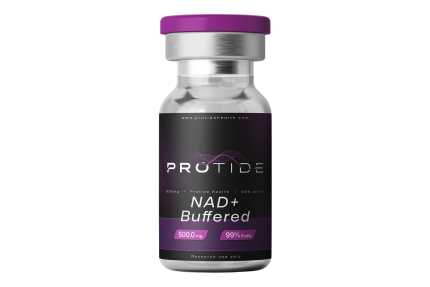
Reviews
There are no reviews yet.