
NAD+ / MOTS-C / 5 Amino 1MQ “Mitoprime” Blend
$149.00
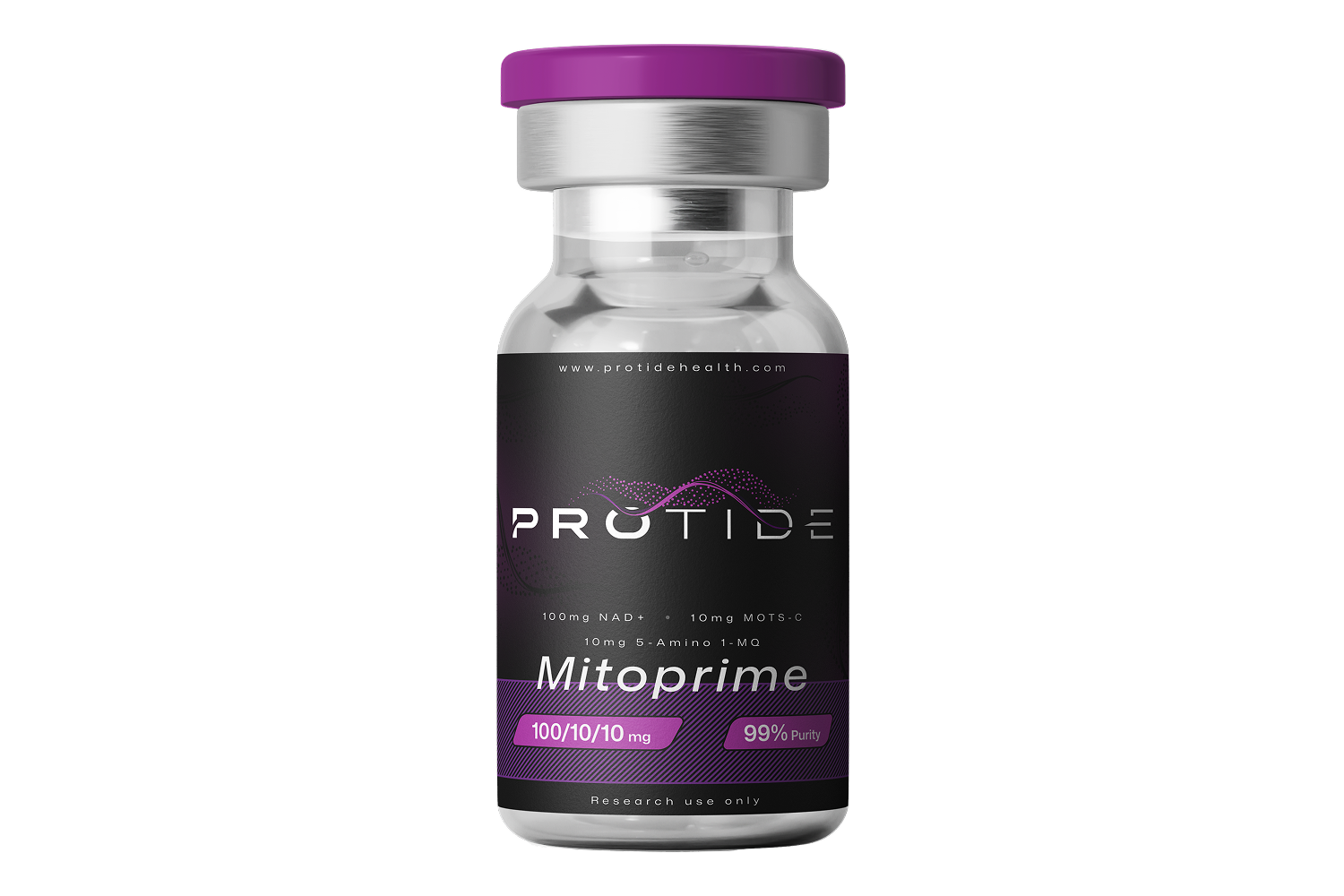
5 amino 1mq Mitoprime Blend 120mg product shot featuring a professionally labeled Protide Health 3mL research vial containing orange lyophilized powder, with NAD+ 100mg, MOTS-C 10mg, and 5-Amino-1MQ 10mg clearly identified against a clean laboratory-style background with research-use-only labeling.


5 Amino 1MQ, NAD+ & MOTS-C Mitoprime Blend 120mg – Protide Health USA
5 Amino 1MQ Mitoprime Blend Overview & Technical Specifications
The Protide Health Mitoprime Blend combines three chemically distinct research compounds:
- NAD+: 100mg
- MOTS-C: 10mg
- 5-Amino-1MQ: 10mg
The total research material per vial is 120mg.
Each component belongs to a different molecular class.
NAD+ is a pyridine dinucleotide coenzyme central to oxidation-reduction chemistry and NAD-dependent enzyme systems.
MOTS-C is a 16-amino-acid mitochondrial-derived peptide with the sequence:
Met-Arg-Trp-Gln-Glu-Met-Gly-Tyr-Ile-Phe-Tyr-Pro-Arg-Lys-Leu-Arg
or:
MRWQEMGYIFYPRKLR
5 amino 1mq is a small-molecule inhibitor of nicotinamide N-methyltransferase, or NNMT. The CAS number supplied for this product, 42464-96-0, corresponds specifically to the iodide salt of 5-amino-1-methylquinolinium.
Researchers can review the supplied chemical identities through the NAD+ PubChem record, while the MOTS-C and 5-Amino-1MQ identities are listed separately in the technical specifications below.
Technical Specifications
Mitoprime Blend
- Product Name: Mitoprime Blend
- Total Quantity: 120mg
- NAD+: 100mg
- MOTS-C: 10mg
- 5-Amino-1MQ: 10mg
- Form: Lyophilized powder
- Vial Size: 3mL
- Purity: 99%
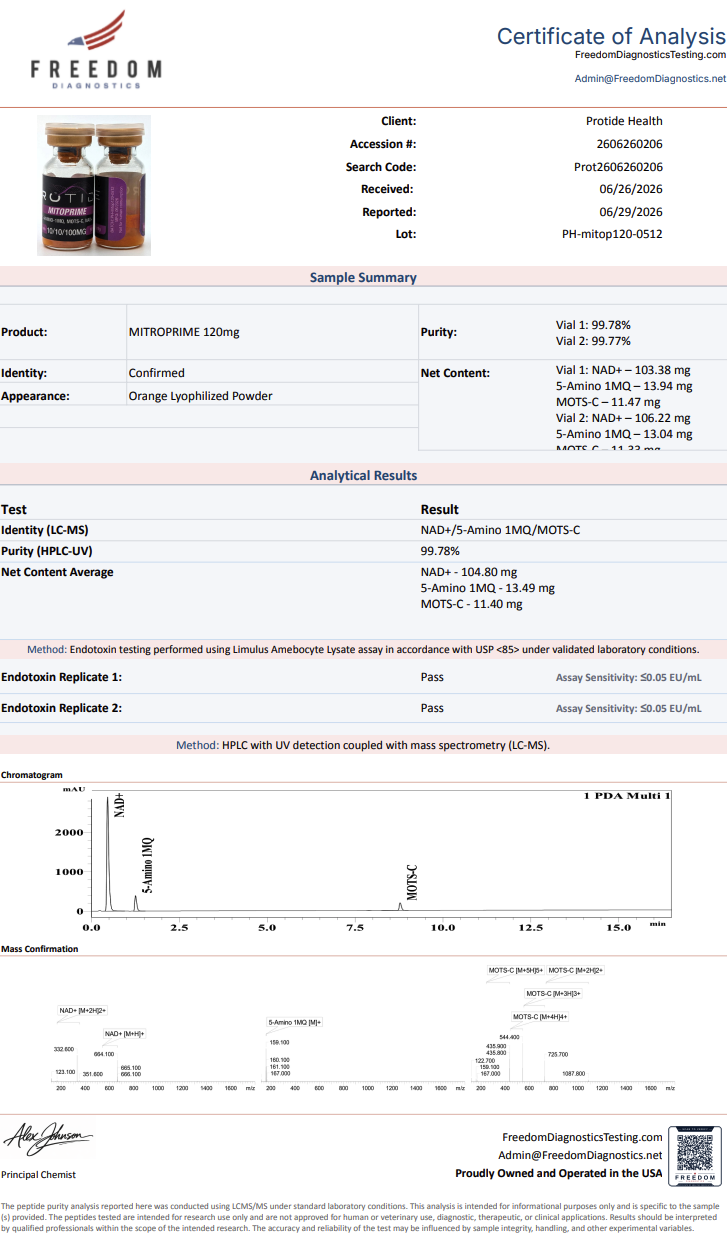
- Testing: HPLC-MS verified; third-party tested
- Appearance: Orange lyophilized powder
- Solubility: Soluble in water
- Storage: Store sealed at ≤6°C and protected from heat, light, and moisture
NAD+ Component
- Chemical Name: β-Nicotinamide Adenine Dinucleotide
- Quantity: 100mg
- Compound Type: Pyridine dinucleotide coenzyme
- CAS Number: 53-84-9
- PubChem CID: 5892
- Molecular Formula: C21H27N7O14P2
- Molecular Weight: Approximately 663.43 g/mol
MOTS-C Component
- Quantity: 10mg
- Compound Type: Mitochondrial-derived peptide
- Peptide Length: 16 amino acids
- Sequence: MRWQEMGYIFYPRKLR
- CAS Number: 1627580-64-6
- PubChem CID: 176489569
- Molecular Formula: C101H152N28O22S2
- Molecular Weight: Approximately 2174.6 g/mol
5-Amino-1MQ Component
- Quantity: 10mg
- Chemical Identity: 5-Amino-1-methylquinolinium iodide
- Compound Type: Small-molecule NNMT inhibitor
- CAS Number: 42464-96-0
- PubChem CID: 66522933
- Molecular Formula: C10H11IN2
- Molecular Weight: 286.11 g/mol
5 Amino 1MQ Mechanism & Mitoprime Research Context
5 amino 1mq is best characterized experimentally as a small-molecule inhibitor of nicotinamide N-methyltransferase.
NNMT catalyzes transfer of a methyl group from S-adenosylmethionine to nicotinamide, producing 1-methylnicotinamide.
This reaction links NNMT activity to:
- Nicotinamide metabolism
- NAD-related metabolic pathways
- Methyl-donor availability
- S-adenosylmethionine utilization
- Cellular metabolic regulation
Experimental studies have shown that 5-Amino-1MQ can reduce NNMT activity and decrease intracellular 1-methylnicotinamide in adipocyte research systems.
The Mitoprime formulation adds NAD+ and MOTS-C, creating a research mixture that intersects several distinct metabolic pathways. However, combining the compounds does not establish biological synergy.
Researchers can review broader NAD+, MOTS-C and NNMT research indexed by PubMed for peer-reviewed literature on the individual components.
Preclinical Research Applications
NNMT Inhibition Research
One of the principal research uses of 5 amino 1mq concerns NNMT biology.
Selective small-molecule NNMT inhibitors have been examined experimentally in:
- Biochemical enzyme assays
- Cultured adipocytes
- Metabolic pathway models
- Diet-induced obesity mouse models
- Liver-metabolism research
- Nicotinamide and methyl-donor studies
Published work identified 5-Amino-1MQ as a membrane-permeable NNMT inhibitor and reported reduced intracellular 1-methylnicotinamide in adipocytes.
These findings establish a preclinical research framework for NNMT inhibition but do not demonstrate human therapeutic outcomes.
MOTS-C and Mitochondrial Signaling Research
MOTS-C is a mitochondrial-derived peptide encoded by a short open reading frame within mitochondrial 12S rRNA.
Its discovery expanded research into mitochondria as signaling organelles rather than solely energy-producing structures.
In experimental systems, MOTS-C has been investigated in connection with:
- AMPK-associated signaling
- Folate-cycle modulation
- De novo purine biosynthesis
- Glucose metabolism
- Skeletal-muscle metabolic pathways
- Cellular stress responses
- Nuclear gene regulation
The original 2015 study identified MOTS-C as a 16-amino-acid mitochondrial-derived signaling peptide and reported metabolic effects in cell and mouse models. These findings remain model-specific and should not be interpreted as human benefits.
NAD+ Redox Research
NAD+ acts as an electron-accepting cofactor in numerous oxidation-reduction reactions.
Its reversible conversion between NAD+ and NADH is central to research involving:
- Glycolysis
- TCA-cycle metabolism
- Oxidative phosphorylation
- Dehydrogenase activity
- Cellular redox balance
- Mitochondrial bioenergetics
NAD+ is also consumed by enzyme families including sirtuins, PARPs, and CD38-associated enzymes.
This makes NAD+ a chemically distinct component of the Mitoprime Blend compared with both MOTS-C and 5 amino 1mq.
NAD Metabolism and NNMT Research
NNMT uses nicotinamide as a substrate, creating a mechanistic relationship between nicotinamide metabolism and NAD-associated biochemical pathways.
Because nicotinamide can participate in NAD salvage pathways, NNMT activity has attracted interest as a potential regulator of metabolic partitioning.
The combination of NAD+ and an NNMT inhibitor in the same research formulation may therefore be useful for controlled investigations of metabolic pathway interactions.
However, the presence of both compounds in a vial does not by itself prove that they act synergistically.
Multi-Pathway Metabolic Research
Mitoprime contains compounds associated with three distinct biochemical areas:
NAD+
- Redox reactions
- NAD-dependent enzyme systems
- Cellular energy metabolism
MOTS-C
- Mitochondrial-derived signaling
- AMPK-associated research
- Metabolic stress response
5-Amino-1MQ
- NNMT inhibition
- Nicotinamide methylation
- Metabolic enzyme research
Researchers can use appropriate controls to distinguish effects attributable to individual components from responses observed with the complete blend.
What Is 5 Amino 1MQ?
5 amino 1mq is the commonly used name for 5-amino-1-methylquinolinium, a small organic molecule studied as an inhibitor of NNMT.
It should not be classified as a peptide.
The specific form identified by CAS 42464-96-0 is 5-amino-1-methylquinolinium iodide, with molecular formula C10H11IN2 and molecular weight 286.11 g/mol.
The free 5-amino-1-methylquinolinium cation has a different molecular weight and database identifier, so researchers should distinguish these forms when documenting experimental material.
5 Amino 1MQ Peptide: Important Classification Note
The search phrase 5 amino 1mq peptide is chemically inaccurate.
5-Amino-1MQ is a small molecule, not an amino-acid peptide.
The Mitoprime Blend does contain a peptide—MOTS-C—but 5 amino 1mq itself contains no peptide sequence and should be classified according to its small-molecule quinolinium chemistry.
This distinction is important for experimental design because small-molecule enzyme inhibition differs fundamentally from peptide signaling.
5 Amino 1MQ Benefits: What Research Actually Shows
Searches for 5 amino 1mq benefits often refer to metabolic outcomes reported in animal experiments.
Published studies of NNMT inhibition have examined endpoints including:
- NNMT activity
- 1-methylnicotinamide levels
- Adipocyte metabolism
- Body-composition variables in mice
- Glucose-tolerance measurements
- Insulin-related measurements
- Liver lipid accumulation
- Metabolic biomarkers
A 2018 study reported that selective NNMT inhibition influenced adiposity and metabolic endpoints in high-fat-diet mouse models. More recent animal research has also investigated 5A1MQ in diet-induced obesity and liver-metabolism models.
These results are preclinical observations and do not establish weight-loss, metabolic, or therapeutic benefits for the Protide Health research blend.
MOTS-C Mechanistic Research
MOTS-C was originally reported to influence metabolic homeostasis through pathways involving folate metabolism and de novo purine biosynthesis, with downstream AMPK activation in experimental systems.
Research has subsequently expanded into:
- Mitochondrial-to-nuclear signaling
- Cellular stress adaptation
- Skeletal-muscle metabolism
- Glucose-utilization pathways
- Metabolic homeostasis
- Age-associated molecular research
These areas provide experimental context for the MOTS-C component but should not be extrapolated into clinical claims for Mitoprime.
5 Amino 1MQ Dosage Searches and Laboratory Use
The phrases 5 amino 1mq dosage and 5-amino-1mq dosage relate to administration questions and are not applicable to this laboratory research product.
The 10mg quantity identifies the amount of 5-Amino-1MQ research material contained in each Mitoprime vial.
Likewise, the 100mg NAD+ and 10mg MOTS-C values represent component quantities, not recommended doses.
Protide Health does not provide human dosing, injection, administration, cycling, treatment, or preparation protocols.
Research Limitations
The Mitoprime Blend should be interpreted as a multi-component research formulation rather than as one established pharmacological entity.
Important limitations include:
- Published studies generally evaluate NAD+, MOTS-C, and 5-Amino-1MQ separately.
- There is limited peer-reviewed evidence on this exact 100mg/10mg/10mg combination.
- Combining three compounds does not establish synergy.
- MOTS-C findings are substantially based on cellular and animal models.
- 5-Amino-1MQ metabolic findings remain primarily preclinical.
- NAD+ cellular biology varies by tissue, enzyme expression, and metabolic state.
- Results from animal models cannot establish equivalent human outcomes.
- 5-Amino-1MQ is a small molecule, not a peptide.
- NAD+ is a dinucleotide coenzyme, not a peptide.
- Only MOTS-C is a peptide component of this formulation.
Protide Health therefore supplies the blend solely for biochemical, analytical, cellular, and qualified preclinical investigation.
Literature & Citation Index
The Mitochondrial-Derived Peptide MOTS-c Promotes Metabolic Homeostasis and Reduces Obesity and Insulin Resistance
Authors: Changhan Lee et al.
Journal: Cell Metabolism
Year: 2015
PMID: 25738459
DOI: 10.1016/j.cmet.2015.02.009
Research Context: Identification of MOTS-C and investigation of folate-cycle, purine-biosynthesis, AMPK, skeletal-muscle, and metabolic pathways in cellular and mouse models.
MOTS-c: A Novel Mitochondrial-Derived Peptide Regulating Muscle and Fat Metabolism
Authors: Changhan Lee et al.
Journal: Free Radical Biology and Medicine
Year: 2016
PMID: 27216708
DOI: 10.1016/j.freeradbiomed.2016.05.015
Research Context: Review of mitochondrial-derived peptide signaling and experimental metabolic pathways.
Selective and Membrane-Permeable Small Molecule Inhibitors of Nicotinamide N-Methyltransferase Reverse High-Fat-Diet-Induced Obesity in Mice
Year: 2017
PMID: 29155147
Research Context: NNMT inhibition, 5-Amino-1MQ, intracellular 1-MNA measurements, adipocyte research, and mouse metabolic models.
A Small Molecule Inhibitor of Nicotinamide N-Methyltransferase for the Treatment of Metabolic Disorders
Year: 2018
PMID: 29483571
DOI: 10.1038/s41598-018-22081-7
Research Context: Preclinical NNMT inhibition, metabolic pathways, and animal research.
Nicotinamide N-Methyltransferase Inhibition Mitigates Obesity-Related Metabolic Dysfunction
Year: 2024
PMID: 39161060
Research Context: Diet-induced obesity mouse models, 5A1MQ, glucose-related variables, liver pathology, pharmacokinetics, and tissue distribution.
Related Protide Health Research Products
Researchers evaluating other multi-component formulations may review the BPC-157 & TB-500 Wolverine Blend for a distinct peptide research combination.
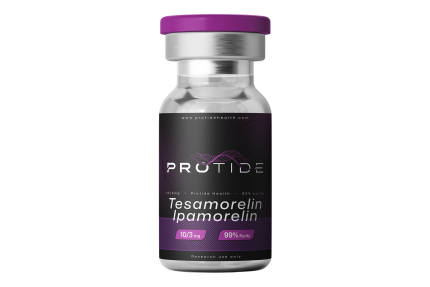
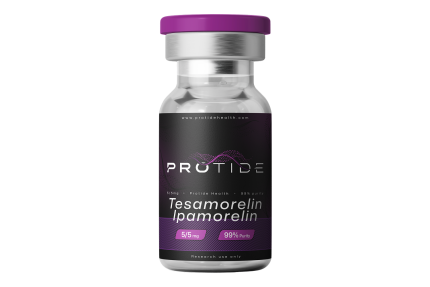
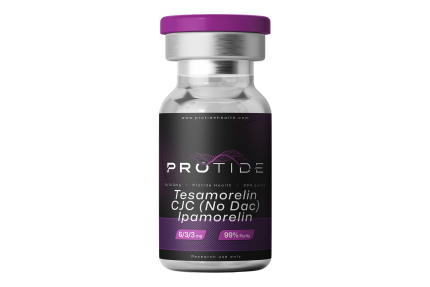
The CJC-1295 No DAC & Ipamorelin Blend provides a separate endocrine-signaling research formulation.
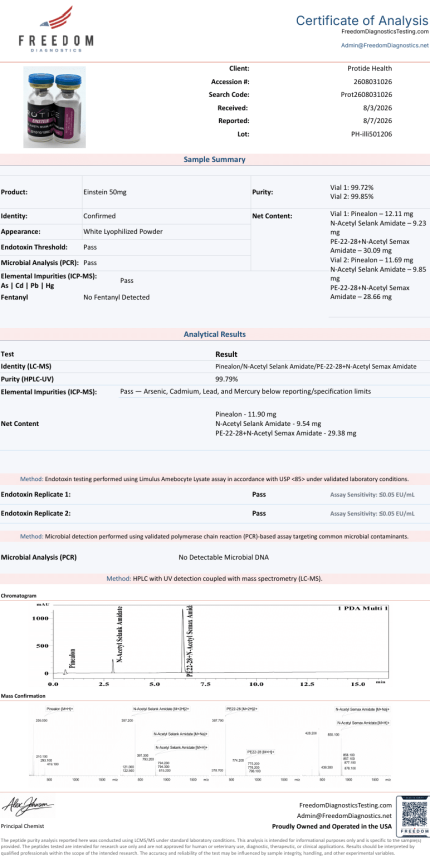
Researchers may also examine the Illumineuro Einstein Peptide Blend for a different multi-component experimental system.
These products contain different molecular components and should not be considered chemically or mechanistically interchangeable with Mitoprime.
Frequently Asked Questions
What is 5 Amino 1MQ?
5 amino 1mq is a small-molecule nicotinamide N-methyltransferase inhibitor. The form identified by CAS 42464-96-0 is 5-amino-1-methylquinolinium iodide.
Is 5-Amino-1MQ a peptide?
No. 5-Amino-1MQ is a small organic molecule. MOTS-C is the peptide component in the Mitoprime formulation.
What is the Mitoprime Blend?
Mitoprime is a 120mg research formulation containing 100mg NAD+, 10mg MOTS-C, and 10mg 5-Amino-1MQ.
What is MOTS-C?
MOTS-C is a mitochondrial-derived 16-amino-acid peptide with the sequence MRWQEMGYIFYPRKLR. Experimental research has examined it in mitochondrial signaling, AMPK-associated pathways, cellular stress, and metabolic models.
What does NAD+ contribute to the research formulation?
NAD+ is a pyridine dinucleotide coenzyme involved in redox chemistry and as a substrate for several NAD-dependent enzyme systems.
What does research say about 5 Amino 1MQ benefits?
Animal and cellular studies have investigated NNMT inhibition, adipocyte metabolism, body-composition endpoints, glucose-related variables, and liver metabolism. Those findings are preclinical and do not establish human benefits for this research blend.
Does combining NAD+, MOTS-C, and 5-Amino-1MQ prove synergy?
No. Each component has a different research mechanism, but there is insufficient evidence to conclude that this exact 120mg combination produces synergistic effects.
What purity does Protide Health specify?
The supplied product specification states 99% purity, with HPLC-MS verification and third-party testing.
What form is Mitoprime supplied in?
The product is supplied as 120mg of orange lyophilized powder in a 3mL vial.
Is Mitoprime intended for human use?
No. It is supplied exclusively for biochemical analysis, cellular studies, enzyme research, metabolic research, analytical testing, and qualified preclinical experimentation.
Laboratory Terms & Compliance
Laboratory Research Use Only
This product is supplied exclusively for laboratory research, analytical testing, in-vitro studies, preclinical research, and qualified scientific experimentation.
It is not intended for human or veterinary consumption, medical use, diagnostic use, therapeutic use, weight-loss treatment, metabolic treatment, athletic-performance enhancement, anti-aging treatment, or clinical administration.
No human dosage, dosing, injection, administration, treatment schedule, cycle, or preparation instructions are provided.
The purchaser is responsible for appropriate laboratory handling, storage, and use in accordance with applicable institutional, federal, state, and local requirements.
For research use only.


MAECENAS IACULIS
Vestibulum curae torquent diam diam commodo parturient penatibus nunc dui adipiscing convallis bulum parturient suspendisse parturient a.Parturient in parturient scelerisque nibh lectus quam a natoque adipiscing a vestibulum hendrerit et pharetra fames nunc natoque dui.
ADIPISCING CONVALLIS BULUM
- Vestibulum penatibus nunc dui adipiscing convallis bulum parturient suspendisse.
- Abitur parturient praesent lectus quam a natoque adipiscing a vestibulum hendre.
- Diam parturient dictumst parturient scelerisque nibh lectus.
Scelerisque adipiscing bibendum sem vestibulum et in a a a purus lectus faucibus lobortis tincidunt purus lectus nisl class eros.Condimentum a et ullamcorper dictumst mus et tristique elementum nam inceptos hac parturient scelerisque vestibulum amet elit ut volutpat.
Related products
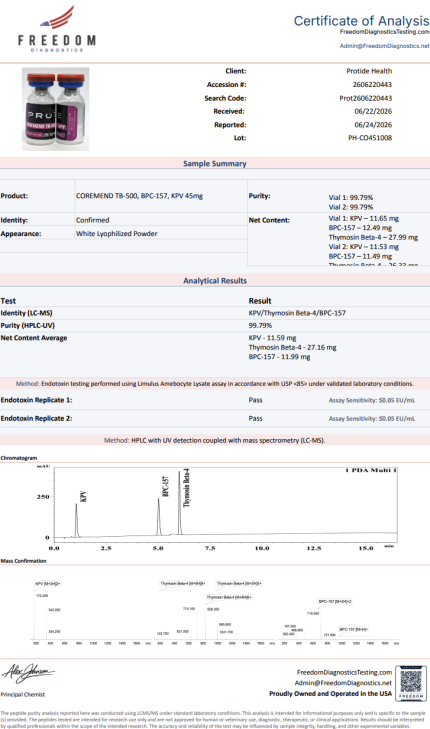
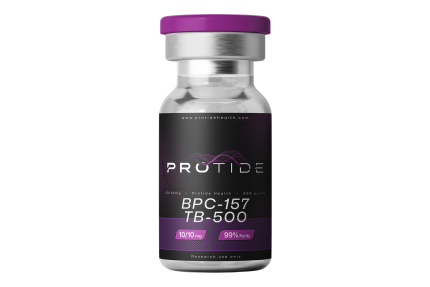
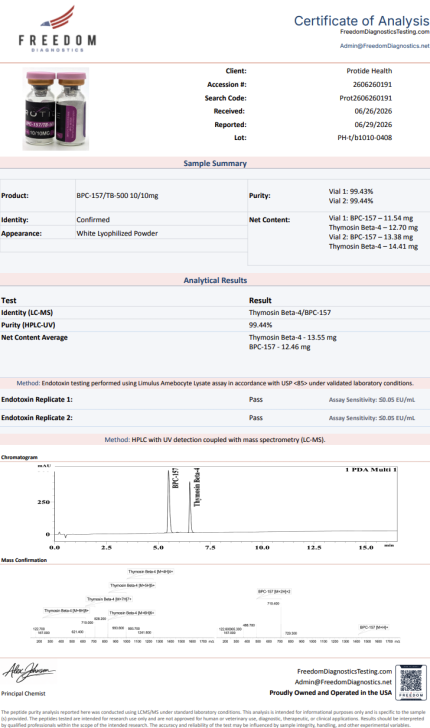
BPC-157 & TB-500 “Wolverine” Blend
Price range: $145.00 through $305.00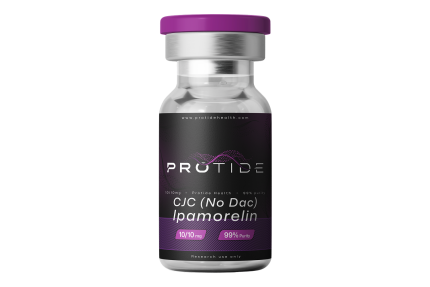
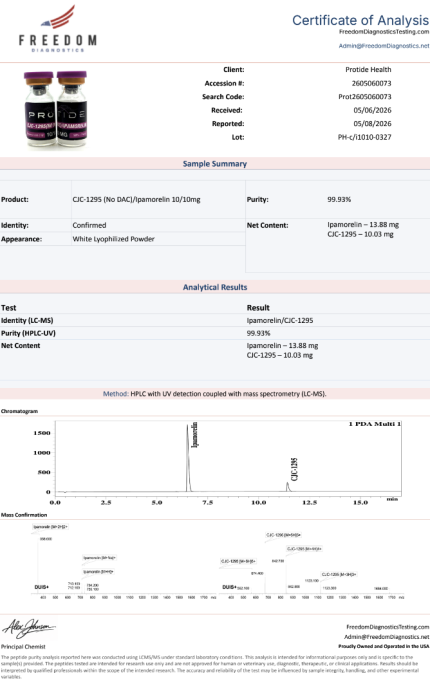
CJC-1295 (No Dac) & Ipamorelin Blend
Price range: $75.00 through $125.00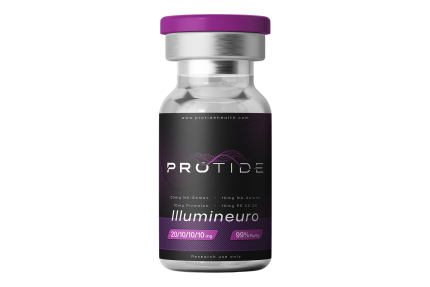
Reviews
There are no reviews yet.