
Thymosin Alpha-1 10mg
$105.00
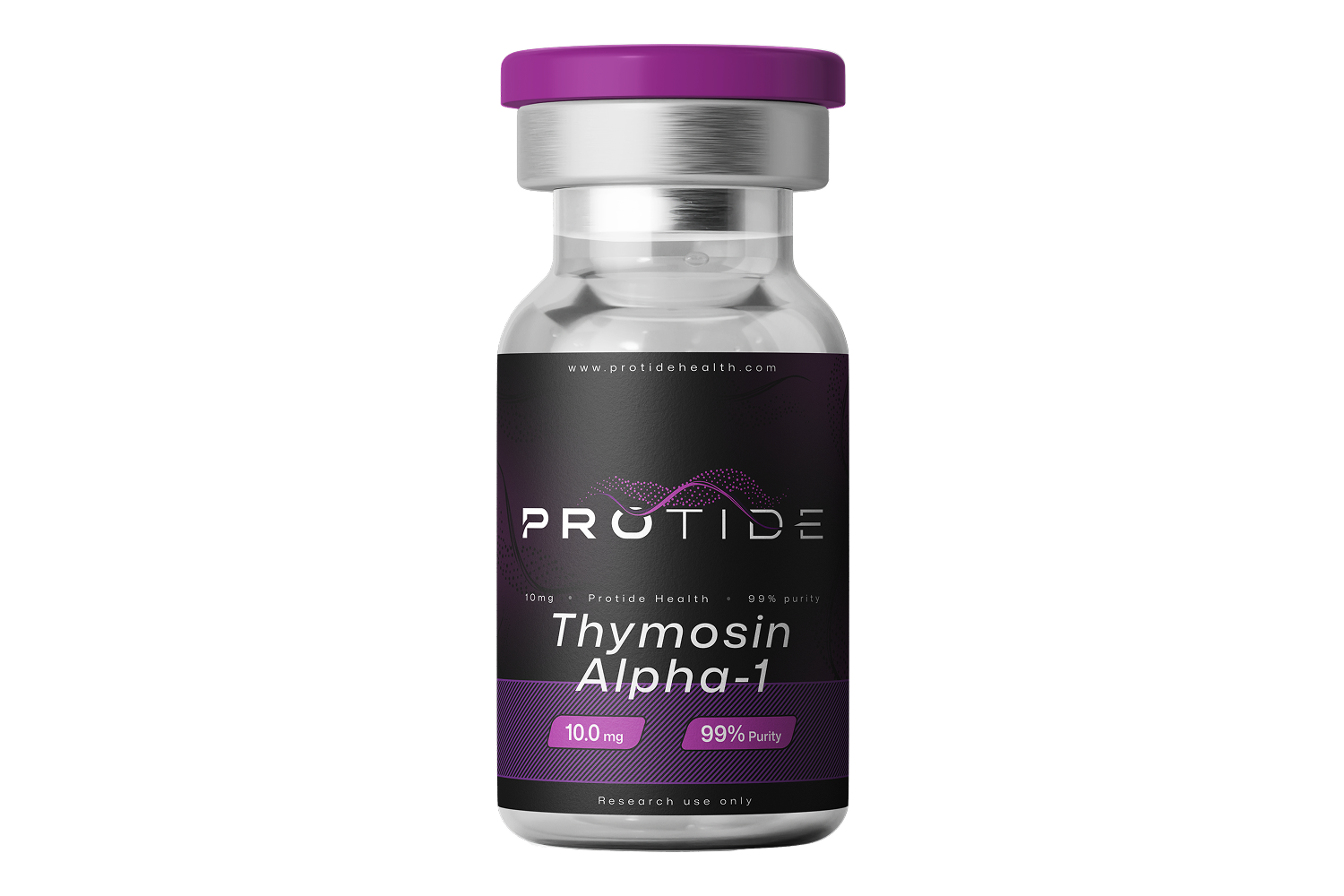
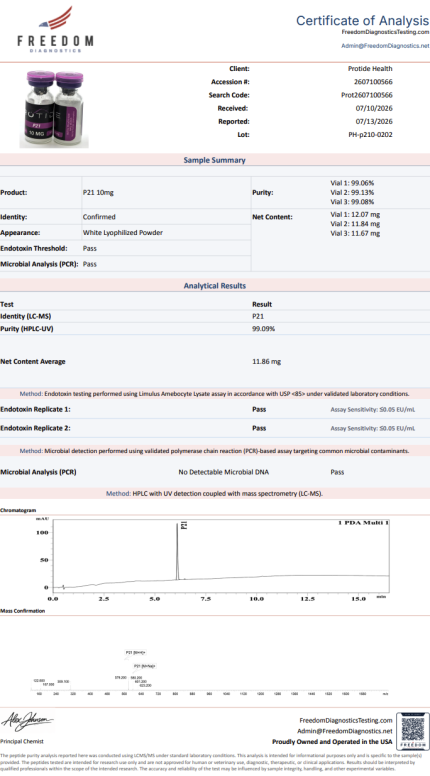
Thymosin alpha 1 10mg product shot featuring a professionally labeled Protide Health 3mL research vial containing white to off-white lyophilized peptide powder, displayed against a clean laboratory-style background with clear 10mg identification and research-use-only labeling.

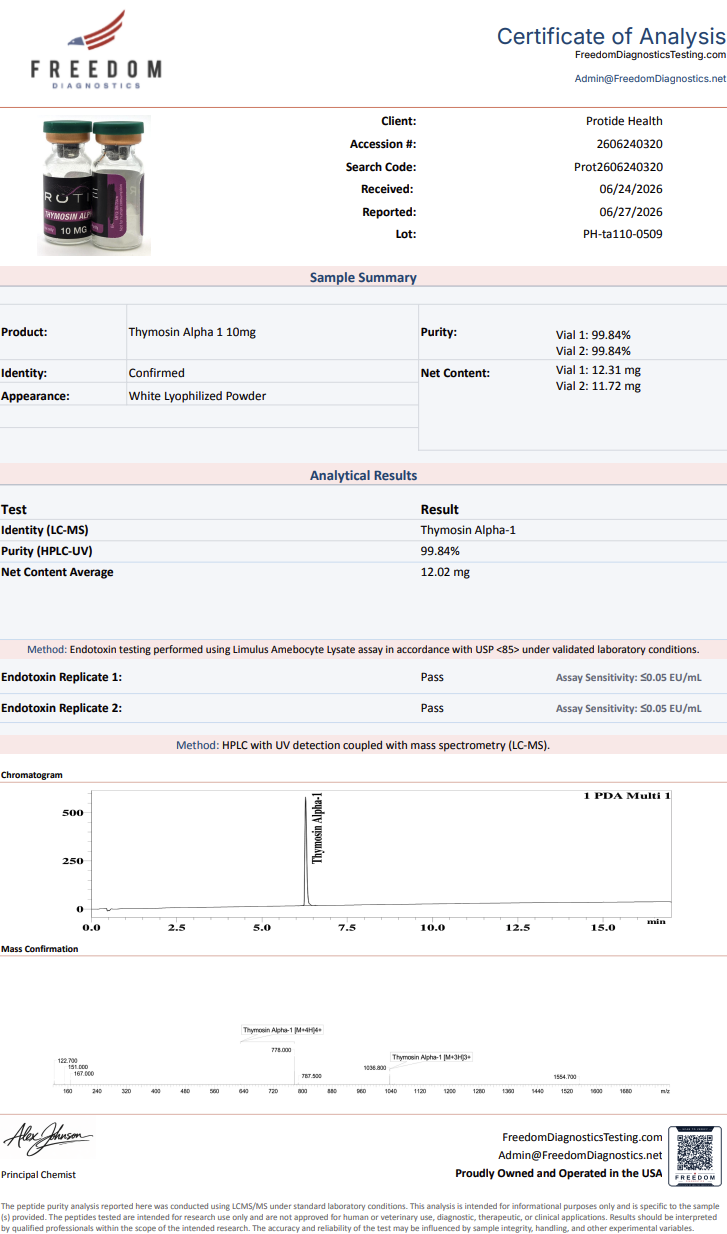
99.84%
Buy Thymosin Alpha 1 10mg – Protide Health USA
Thymosin Alpha 1 Peptide Overview & Technical Specifications
Thymosin alpha 1, also known as thymalfasin or TA1, is a synthetic N-acetylated 28-amino-acid peptide corresponding to a naturally occurring fragment associated with prothymosin alpha.
Its verified amino-acid sequence is:
Ac-Ser-Asp-Ala-Ala-Val-Asp-Thr-Ser-Ser-Glu-Ile-Thr-Thr-Lys-Asp-Leu-Lys-Glu-Lys-Lys-Glu-Val-Val-Glu-Glu-Ala-Glu-Asn
The authoritative Thymosin Alpha-1 PubChem chemical record identifies thymalfasin as a 28-residue acetylated polypeptide with PubChem CID 16130571, CAS 62304-98-7, molecular formula C129H215N33O55, and molecular weight approximately 3108.3 g/mol.
Protide Health supplies this research material as a 10mg lyophilized powder for controlled laboratory analysis, in-vitro investigation, molecular research, and qualified preclinical experimentation.
Technical Specifications
- Product Name: Thymosin Alpha-1
- Synonyms: TA1, Thymalfasin, Thymosin α1
- Quantity: 10mg
- Vial Size: 3mL
- Form: Lyophilized powder
- Purity: 99%
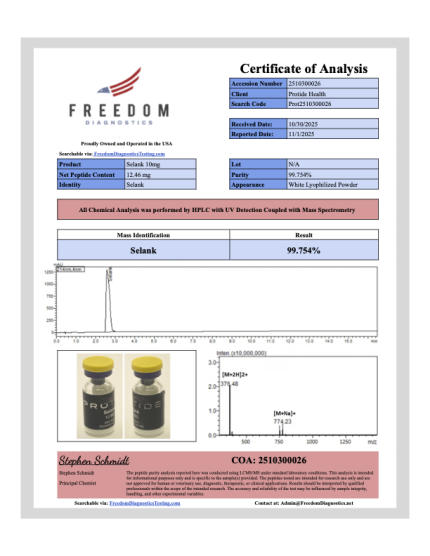
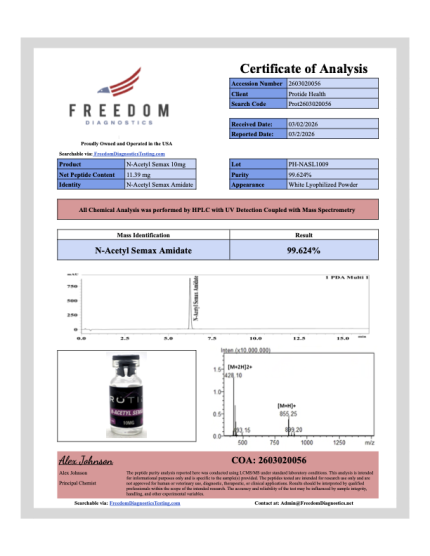
- Testing: HPLC-MS verified; third-party tested
- Peptide Length: 28 amino acids
- CAS Number: 62304-98-7
- PubChem CID: 16130571
- Molecular Formula: C129H215N33O55
- Molecular Weight: 3108.32 g/mol
- Appearance: White to off-white lyophilized powder
- Solubility: Soluble in water
- Storage: Store at ≤6°C, sealed and protected from heat, light, and moisture
- Research Use: Laboratory, biochemical, immunological, cellular, and preclinical research only
Thymosin Alpha 1 Mechanism of Action & Research Context
Experimental research suggests that thymosin alpha 1 can interact with several components of innate and adaptive immune signaling.
One major area of investigation involves Toll-like receptors (TLRs). A recent mechanistic review describes experimental evidence linking TA1 with TLR2, TLR3, TLR4, TLR7, and TLR9-associated pathways, with downstream signaling involving NF-κB, IRF3, p38 MAPK, and MyD88 under different research conditions.
Research has also examined effects on dendritic cells, macrophages, natural killer cells, and T-cell-associated signaling. These observations form part of an immunological research framework rather than evidence supporting use of this Protide Health product in humans.
Researchers can review broader thymosin alpha-1 research indexed by PubMed for published work involving immune signaling, cellular responses, infectious-disease models, and peptide pharmacology.
Preclinical Research Applications
Innate Immune Signaling Research
TA1 has been studied extensively in experimental models involving cells of the innate immune system.
Published research has examined differentiated macrophages, peripheral blood mononuclear cells, and other immune-cell systems. A review of in-vitro and in-vivo work describes modulation of innate immune-cell activity while noting that the complete mechanism remains incompletely characterized.
These systems are useful for investigating molecular signaling, pattern-recognition pathways, and immune-cell responses under controlled experimental conditions.
Toll-Like Receptor Research
A particularly active field concerns Toll-like receptor signaling.
Experimental models have linked TA1 activity to multiple TLR-associated pathways, including TLR2/NF-κB, TLR2/p38 MAPK, TLR7/MyD88, and signaling involving TLR3, TLR4, and TLR9.
Such findings make the peptide relevant to receptor-signaling research and molecular studies of innate-to-adaptive immune communication.
Dendritic Cell and T-Cell Research
The peptide has also been investigated in dendritic-cell models.
Published work describes TA1-associated modulation of signals delivered through innate immune receptors on dendritic cells, with downstream effects on T-helper and regulatory T-cell responses in experimental systems.
This provides a research framework for studying interactions between innate immune recognition and adaptive immune-cell regulation.
Macrophage and Natural Killer Cell Research
Experimental literature also discusses macrophage differentiation, pathogen-recognition models, and natural-killer-cell activity.
These observations contribute to the broader study of how short regulatory peptides may alter communication between immune cell populations under laboratory conditions.
Cytokine and Molecular Signaling Research
Research involving thymosin alpha 1 has examined cytokine-related signaling, including experimental changes involving interferon-associated pathways, interleukins, and intracellular signaling networks.
Earlier literature reported effects on T-cell maturation and Th1-associated cytokines such as interferon-γ and interleukin-2 in experimental models.
These findings remain model-dependent and should not be interpreted as establishing outcomes for a laboratory research product.
What Research on Thymosin Alpha 1 Benefits Actually Shows
Searches for thymosin alpha 1 benefits commonly return clinical or commercial claims. For a research-only product page, the published evidence should instead be described in terms of experimentally observed molecular and cellular activity.
Laboratory and preclinical research has investigated:
- Toll-like receptor-associated signaling
- Dendritic-cell activity
- Macrophage responses
- T-cell differentiation and signaling
- Natural killer cell activity
- Cytokine-associated pathways
- Innate and adaptive immune communication
TA1 has also been investigated clinically outside the United States in several disease settings, but results vary by indication, study design, population, and treatment context. For example, published hepatitis research has produced mixed findings rather than establishing one universal effect.
A 2026 Cochrane review evaluated randomized trials of thymosin-α1 in people with chronic hepatitis B, illustrating that its clinical evidence continues to be formally reassessed.
These clinical publications do not alter the status of the Protide Health product, which is sold exclusively for laboratory research.
Lyophilized Research Format
The peptide is supplied as a white to off-white lyophilized powder.
Lyophilization removes water from frozen material under reduced pressure and is widely used for research peptides where a dry format is advantageous for storage and handling.
According to the supplied product specification, unopened material should remain sealed at ≤6°C and protected from heat, light, and moisture.
No dosing, administration, injection, or human preparation instructions are provided.
Research Limitations
Research on thymosin alpha 1 includes biochemical experiments, cultured immune cells, animal studies, mechanistic research, and human clinical investigations conducted with specific pharmaceutical preparations.
Important limitations include:
- Cellular findings cannot automatically be extrapolated to intact organisms.
- Animal-model findings do not establish equivalent human outcomes.
- TLR-related mechanisms differ by cell type and experimental conditions.
- A complete molecular mechanism has not been established.
- Clinical findings involving pharmaceutical thymalfasin do not validate claims for an independently sold laboratory research material.
- Results from one disease model cannot be generalized to unrelated research contexts.
The product supplied by Protide Health should therefore be evaluated solely as laboratory research material.
Literature & Citation Index
Thymosin α1 and Its Role in Viral Infectious Diseases: The Mechanism and Clinical Application
Journal: Molecules
Year: 2023
PMID: 37110771
PMCID: PMC10144173
DOI: 10.3390/molecules28083539
Research focus: TLR signaling, NF-κB, IRF3, MyD88, macrophages, T cells, B cells, and NK cells.
Source: PubMed research on Thymosin Alpha-1 molecular signaling
Thymosin α1 as a Stimulatory Agent of Innate Cell-Mediated Immune Response
Authors: Annalucia Serafino et al.
Journal: Annals of the New York Academy of Sciences
Year: 2012
PMID: 23050812
DOI: 10.1111/j.1749-6632.2012.06707.x
Research focus: Macrophages, peripheral blood mononuclear cells, and innate immune responses.
Source: PubMed research on TA1 and innate immune cells
Thymosin Alpha1: The Regulator of Regulators?
Year: 2010
PMID: 20536444
DOI: 10.1111/j.1749-6632.2010.05465.x
Research focus: Dendritic cells, innate immune receptors, T-helper cells, and regulatory T-cell responses.
Source: PubMed research on TA1 and immune regulation
Thymosin Alpha-1
Year: 2001
PMID: 11381492
Research focus: Pharmacology and historical clinical investigation of synthetic TA1.
Source: PubMed Thymosin Alpha-1 review
Chemical Identity Reference
The authoritative PubChem thymalfasin compound record confirms the 28-residue sequence, N-terminal acetylation, PubChem CID 16130571, CAS 62304-98-7, formula C129H215N33O55, and molecular weight approximately 3108.3 g/mol.
Related Protide Health Research Products
Researchers expanding a laboratory peptide inventory can also review:
- Cagrilintide research peptide — a structurally and mechanistically distinct peptide research compound.
- Cartalax 20mg research peptide — a separate short-peptide research material.
- CJC-1295 No DAC 10mg research peptide — a separate peptide used in endocrine-signaling research models.
These materials have different structures and experimental targets and should not be considered interchangeable.
Frequently Asked Questions
What is thymosin alpha 1?
Thymosin alpha 1 is an N-acetylated 28-amino-acid regulatory peptide also known as TA1 or thymalfasin. It has been extensively investigated in laboratory and preclinical models involving innate and adaptive immune signaling.
What is the difference between thymosin alpha-1 and thymalfasin?
Thymalfasin is the chemically synthesized form corresponding to Thymosin α1. PubChem catalogs thymalfasin as a synthetic peptide identical in sequence to human Thymosin α1.
What is the sequence of the thymosin alpha 1 peptide?
The verified 28-amino-acid sequence is:
Ac-SDAAVDTSSEITTKDLKEKKEVVEEAEN
The N-terminus is acetylated.
What receptors and pathways are studied with TA1?
Research has linked TA1 with signaling involving TLR2, TLR3, TLR4, TLR7, and TLR9, with downstream pathways including NF-κB, IRF3, p38 MAPK, and MyD88 under different experimental conditions.
What does research say about thymosin alpha 1 benefits?
Published studies describe immunological and molecular effects in cell cultures, animal systems, and specific clinical investigations. These findings should not be interpreted as proof that this laboratory research product produces therapeutic benefits in humans.
What purity is supplied by Protide Health?
The supplied product specification states 99% purity, with HPLC-MS verification and third-party testing.
Is Thymosin Alpha-1 intended for human use?
No. Protide Health supplies the peptide solely for laboratory analysis, in-vitro research, preclinical studies, and qualified scientific experimentation.
Laboratory Terms & Compliance
Laboratory Research Use Only
This product is supplied exclusively for laboratory research, analytical testing, in-vitro studies, preclinical research, and qualified scientific experimentation.
It is not intended for human or veterinary consumption, medical use, diagnostic use, therapeutic use, or clinical administration.
The purchaser is responsible for appropriate laboratory handling, storage, and use in accordance with applicable institutional, federal, state, and local requirements.
For research use only.


MAECENAS IACULIS
Vestibulum curae torquent diam diam commodo parturient penatibus nunc dui adipiscing convallis bulum parturient suspendisse parturient a.Parturient in parturient scelerisque nibh lectus quam a natoque adipiscing a vestibulum hendrerit et pharetra fames nunc natoque dui.
ADIPISCING CONVALLIS BULUM
- Vestibulum penatibus nunc dui adipiscing convallis bulum parturient suspendisse.
- Abitur parturient praesent lectus quam a natoque adipiscing a vestibulum hendre.
- Diam parturient dictumst parturient scelerisque nibh lectus.
Scelerisque adipiscing bibendum sem vestibulum et in a a a purus lectus faucibus lobortis tincidunt purus lectus nisl class eros.Condimentum a et ullamcorper dictumst mus et tristique elementum nam inceptos hac parturient scelerisque vestibulum amet elit ut volutpat.
Related products
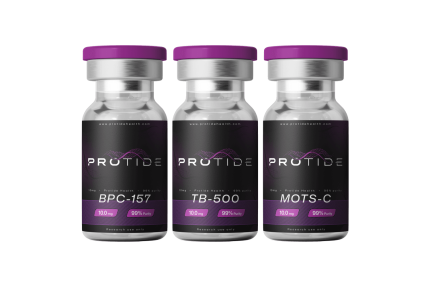
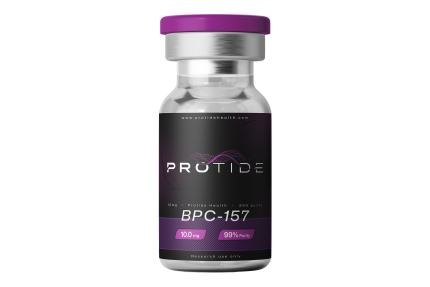
Research Bundle (BPC-157, TB-500, MOTS-c)
Original price was: $215.00.$205.00Current price is: $205.00.
Reviews
There are no reviews yet.