
KPV Peptide 10mg
$70.00
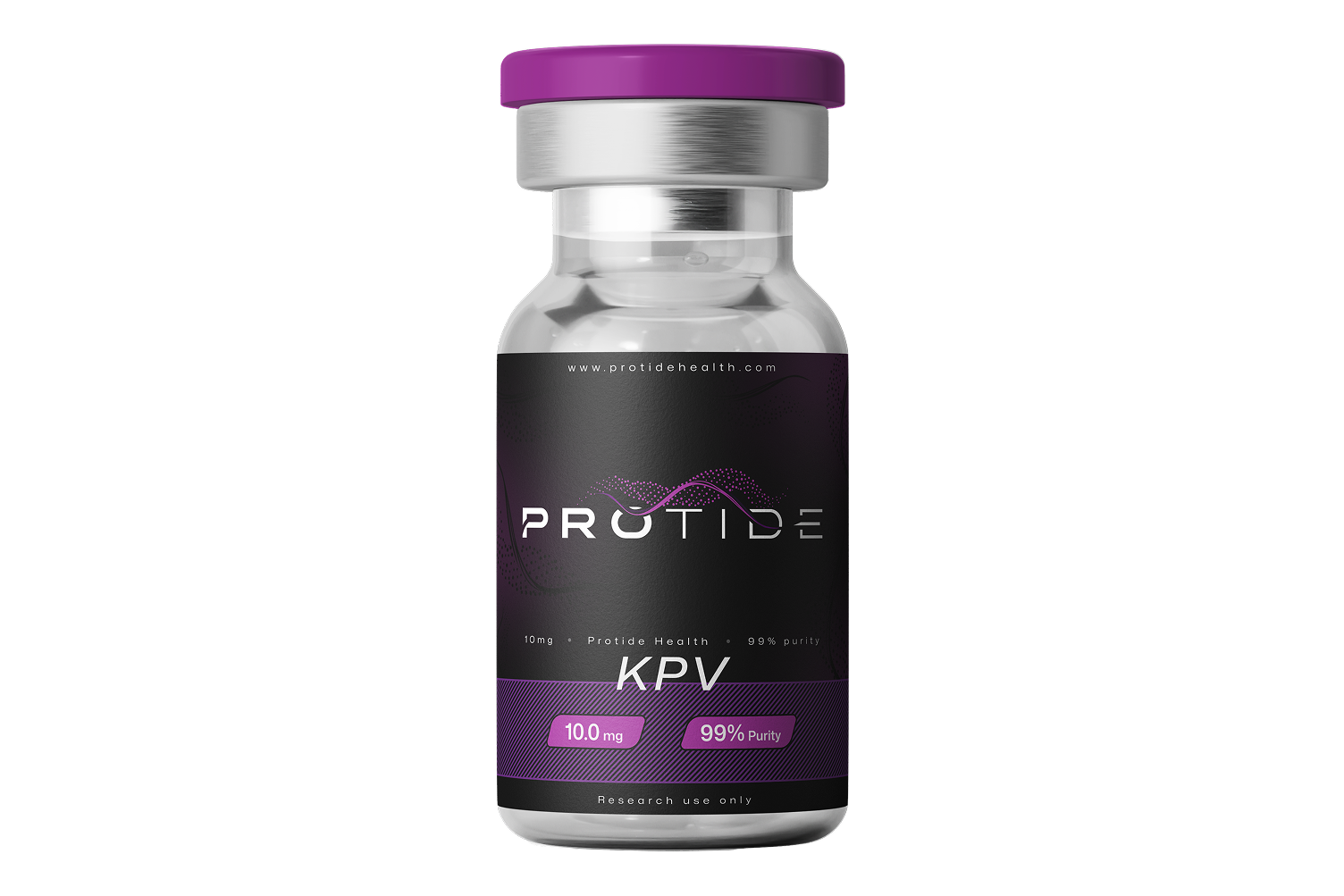
KPV peptide 10mg product shot featuring a professionally labeled Protide Health 3mL research vial containing white to off-white lyophilized Lys-Pro-Val material, with the 10mg strength, α-MSH (11-13) tripeptide identity, and research-use-only labeling clearly displayed against a clean laboratory-style background.


KPV Peptide 10mg – Protide Health USA
KPV Peptide Overview & Technical Specifications
KPV peptide is a synthetic tripeptide composed of three amino acids:
Lys-Pro-Val
or:
KPV
The complete terminal representation is:
H-Lys-Pro-Val-OH
KPV corresponds to the C-terminal three-amino-acid fragment of alpha-melanocyte-stimulating hormone, commonly described as:
α-MSH (11-13)
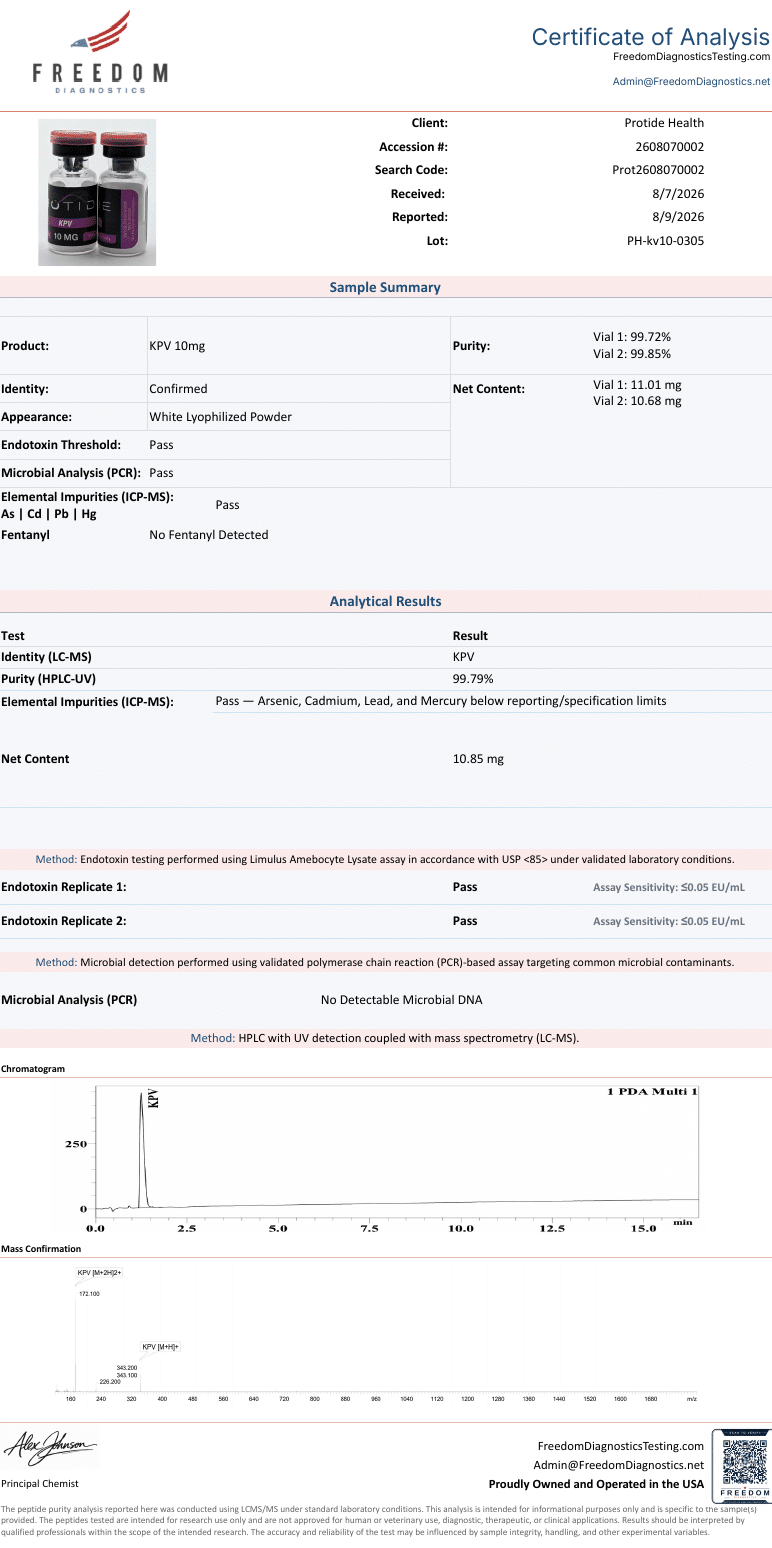
Protide Health supplies KPV peptide as 10mg of 99% purity, HPLC-MS verified, third-party tested lyophilized research material in a 3mL vial.
Technical Specifications
- Product Name: KPV
- Alternative Names: KPV Tripeptide, Lysine-Proline-Valine, α-MSH (11-13), MSH (11-13)
- Quantity: 10mg
- Form: Lyophilized powder
- Vial Size: 3mL
- Purity: 99%
- Testing: HPLC-MS verified; third-party tested
- Peptide Type: Synthetic tripeptide
- Sequence: Lys-Pro-Val
- Terminal Representation: H-Lys-Pro-Val-OH
- CAS Number: 67727-97-3
- PubChem CID: 125672
- Molecular Formula: C16H30N4O4
- Molecular Weight: approximately 342.43 g/mol
- Appearance: White to off-white lyophilized powder
- Solubility: Soluble in water
- Storage: Store sealed at ≤6°C and protected from heat, light, and moisture
- Research Use: Cellular, epithelial, inflammatory-signaling, biochemical, analytical, molecular, and qualified preclinical research only
The supplied PubChem record identifies KPV as the tripeptide Lys-Pro-Val, also called MSH (11-13).
What Is KPV Peptide?
The keyword what is KPV peptide commonly refers to the short C-terminal fragment of α-MSH.
KPV contains only three amino acids:
- Lysine
- Proline
- Valine
Although KPV is derived from the C-terminal region of α-MSH, it should not be assumed to reproduce the full receptor pharmacology of the parent hormone.
Experimental literature suggests that KPV can retain anti-inflammatory activity through mechanisms that differ from classical melanocortin receptor signaling.
KPV Peptide & Alpha-MSH Research
Alpha-melanocyte-stimulating hormone is a larger melanocortin peptide involved in several physiological signaling pathways.
KPV corresponds to residues 11-13 of α-MSH.
This C-terminal fragment has been studied because it retains certain experimental anti-inflammatory effects while lacking the complete pharmacophore required for normal melanocortin receptor activation.
This structural distinction is important when interpreting KPV research.
KPV should not be treated as chemically or pharmacologically equivalent to full-length α-MSH.
KPV Peptide & NF-κB Research
One of the most important areas of KPV peptide research involves nuclear factor kappa B, or NF-κB.
NF-κB is a transcription-factor system involved in inflammatory gene expression.
Experimental studies have reported that KPV can influence:
- NF-κB activation
- p65RelA nuclear translocation
- IκBα stability
- Cytokine secretion
- Chemokine secretion
- Matrix metalloproteinase activity
In human bronchial epithelial cells, KPV reduced TNFα- and virus-associated NF-κB signaling and was linked to inhibition of p65RelA nuclear import.
These findings are mechanistic and cellular rather than evidence of human therapeutic efficacy.
PepT1-Mediated KPV Research
Another important KPV research pathway involves the peptide transporter PepT1.
PepT1 transports certain dipeptides and tripeptides across cellular membranes.
A gastrointestinal research study reported that KPV uptake was mediated by PepT1 in intestinal epithelial and immune-cell models.
The same study found experimental effects involving:
- NF-κB signaling
- MAP kinase signaling
- Pro-inflammatory cytokine secretion
- Intestinal epithelial cells
- T-cell models
- Murine colitis models
These findings support KPV as a useful experimental peptide for investigating transporter-dependent cellular signaling.
KPV & MAPK Research
KPV has also been investigated in relation to mitogen-activated protein kinase signaling.
MAPK pathways regulate numerous cellular responses, including:
- Gene expression
- Cell signaling
- Stress responses
- Cytokine production
- Cellular adaptation
Published intestinal research reported reduced MAP kinase inflammatory signaling in KPV-treated experimental systems.
This does not establish that KPV universally suppresses MAPK signaling in every model.
Experimental outcomes can depend on cell type, stimulus, concentration, and exposure conditions.
KPV & Intestinal Epithelial Research
A major area of KPV peptide research involves intestinal epithelial biology.
Experimental systems have included:
- Caco-2-derived epithelial cells
- HT29-derived intestinal cells
- Immune-cell models
- DSS-induced colitis
- TNBS-induced colitis
- CD45RB transfer colitis
Published studies reported reduced inflammatory markers and histological inflammation in murine models under experimental KPV exposure.
These results remain preclinical.
They do not establish a human treatment indication.
KPV & Melanocortin Receptor Independence
Because KPV is derived from α-MSH, it might appear logical to assume that its effects occur primarily through melanocortin receptors.
However, research indicates the mechanism may be more complex.
One study found that KPV retained anti-inflammatory activity even in mice with nonfunctional MC1R, while another concluded that KPV was unlikely to act primarily through conventional melanocortin receptors in the experimental systems studied.
This makes KPV mechanistically distinct from many classical melanocortin agonists.
KPV Peptide Benefits: Evidence Context
The phrase KPV peptide benefits is commonly used in consumer searches.
Published research has examined KPV in relation to:
- NF-κB signaling
- MAPK signaling
- PepT1-mediated transport
- Epithelial-cell responses
- Cytokine signaling
- Chemokine signaling
- Murine inflammatory models
These studies provide a useful experimental foundation for KPV peptide research.
They do not establish that the Protide Health research material:
- Treats inflammatory bowel disease
- Treats skin disorders
- Treats autoimmune disease
- Heals intestinal tissue
- Reduces inflammation in humans
- Provides therapeutic immune modulation
Most of the relevant evidence remains cellular or animal-based.
KPV Peptide Side Effects Search Context
The phrase KPV peptide side effects generally reflects consumer concern about human exposure.
The available published literature does not establish a complete human safety profile for research-grade KPV.
Important limitations include:
- Much of the evidence is preclinical.
- Experimental formulations may differ.
- Animal exposures do not establish human tolerability.
- Cellular studies cannot define systemic safety.
- Long-term human exposure data are limited.
Protide Health therefore makes no claim that KPV is safe for human administration.
KPV Peptide Dosage Search Context
The phrase KPV peptide dosage generally concerns human administration.
Protide Health does not provide human dosing instructions.
The 10mg figure on this page identifies the total amount of research material contained in the vial.
It is not a recommended dose.
No guidance is provided for:
- Human injection
- Oral administration
- Daily use
- Weekly use
- Body-weight calculations
- Treatment cycles
- Reconstitution for human use
- Clinical use
Published experimental concentrations or animal exposures should not be converted into human-use guidance.
KPV Dosage Searches
The alternative keyword KPV dosage refers to the same human-use intent.
For qualified laboratory research, experimental concentrations should instead be selected according to:
- Cell type
- Experimental endpoint
- Transporter expression
- Stimulation conditions
- Exposure duration
- Assay sensitivity
- Published experimental methods
The vial quantity alone does not establish a laboratory concentration or human dose.
KPV Peptides Search Context
The phrase KPV peptides may be used broadly online, but KPV itself is one defined tripeptide:
Lys-Pro-Val
Different formulations, salts, terminal modifications, or delivery systems should not automatically be considered equivalent.
Researchers should verify:
- Sequence identity
- Purity
- Terminal chemistry
- Analytical mass
- Product form
Protide Health specifies this product as unmodified H-Lys-Pro-Val-OH.
KPV & Bronchial Epithelial Research
KPV has also been studied outside intestinal systems.
In human bronchial epithelial cells, KPV reduced experimentally induced:
- NF-κB signaling
- IL-8 secretion
- Eotaxin secretion
- MMP-9 activity
Mechanistic work suggested interaction with the nuclear-import machinery involved in p65RelA movement into the nucleus.
These findings broaden the experimental context of KPV beyond gastrointestinal models.
KPV vs Full-Length Alpha-MSH
KPV and full-length α-MSH differ substantially.
Alpha-MSH
- Longer melanocortin peptide
- Contains the canonical melanocortin pharmacophore
- Engages melanocortin receptors
- Participates in pigmentation and broader melanocortin physiology
KPV
- Three amino acids
- Sequence: Lys-Pro-Val
- Corresponds to α-MSH residues 11-13
- Lacks the complete melanocortin receptor-binding motif
- Has been studied through receptor-independent inflammatory pathways
This distinction is important when interpreting KPV research.
Related Protide Health Research Products
Researchers comparing modified neuropeptide systems may review N-Acetyl Semax Amidate 10mg for a chemically distinct ACTH-derived peptide research model.
The Selank N-Acetyl Amidate 10mg product provides a separate tuftsin-derived modified peptide system.
Researchers may also examine MOTS-c for a structurally unrelated mitochondrial-derived peptide research model.
These compounds are chemically and mechanistically distinct from KPV peptide.
Research Format & Storage
Protide Health supplies KPV peptide as:
- Quantity: 10mg
- Form: Lyophilized powder
- Vial Size: 3mL
- Purity: 99%
- Testing: HPLC-MS verified; third-party tested
- Appearance: White to off-white
- Solubility: Soluble in water
Storage specifications:
- Store at ≤6°C
- Keep sealed
- Protect from heat
- Protect from direct light
- Protect from moisture
These statements describe laboratory storage characteristics only.
Research Limitations
Several limitations should be considered when interpreting KPV research:
- KPV is a short fragment of α-MSH rather than the complete hormone.
- It does not reproduce full melanocortin pharmacology.
- Its mechanism may involve PepT1 transport and NF-κB-related pathways rather than classical melanocortin receptor signaling.
- Most evidence remains cellular or animal-based.
- Murine colitis findings do not establish human IBD treatment.
- Bronchial epithelial findings do not establish human respiratory treatment.
- Reduced inflammatory markers do not establish therapeutic efficacy.
- Human safety and efficacy have not been established for the Protide Health material.
- The 10mg vial quantity is not a human dose.
- The Protide Health product is not an FDA-approved pharmaceutical product.
For these reasons, KPV peptide is supplied strictly for qualified laboratory research.
Literature & Citation Index
Dissection of the Anti-Inflammatory Effect of the Core and C-Terminal KPV Alpha-MSH Peptides
Year: 2003
PMID: 12750433
Research Context: KPV, α-MSH-derived peptide biology, melanocortin-receptor independence, IL-1β-associated signaling, and mouse inflammatory models.
PepT1-Mediated Tripeptide KPV Uptake Reduces Intestinal Inflammation
Year: 2008
PMID: 18061177
DOI: 10.1053/j.gastro.2007.10.026
Research Context: KPV, PepT1, intestinal epithelial cells, T cells, NF-κB, MAPK, cytokine signaling, and murine colitis models.
Melanocortin-Derived Tripeptide KPV Has Anti-Inflammatory Potential in Murine Models of Inflammatory Bowel Disease
Year: 2008
PMID: 18092346
DOI: 10.1002/ibd.20334
Research Context: KPV, DSS colitis, transfer colitis, MC1R-independent activity, inflammatory histology, and murine gastrointestinal models.
Inhibition of Cellular and Systemic Inflammation Cues in Human Bronchial Epithelial Cells by Melanocortin-Related Peptides
Year: 2012
PMID: 22837805
Research Context: KPV, NF-κB, p65RelA nuclear import, IL-8, eotaxin, MMP-9, and human bronchial epithelial-cell research.
Terminal Signal: Anti-Inflammatory Effects of α-MSH-Related Peptides Beyond the Pharmacophore
Year: 2011
PMID: 21222263
Research Context: KPV, α-MSH C-terminal peptide biology, melanocortin receptor-independent mechanisms, and inflammatory research models.
Researchers can review broader KPV peptide research indexed by PubMed for peer-reviewed literature involving KPV, α-MSH fragments, epithelial systems, PepT1 transport, and inflammatory signaling.
Frequently Asked Questions
What is KPV peptide?
KPV peptide is a synthetic tripeptide composed of Lys-Pro-Val and corresponds to residues 11-13 of α-MSH.
What is the KPV sequence?
The sequence is:
Lys-Pro-Val
or:
KPV
What is the molecular formula?
The molecular formula is:
C16H30N4O4
What is the molecular weight?
The molecular weight is approximately:
342.43 g/mol
What is the CAS number?
The CAS number is:
67727-97-3
What is the PubChem CID?
The PubChem identifier is:
CID 125672
What does KPV peptide research investigate?
Research includes NF-κB signaling, MAPK signaling, PepT1-mediated transport, epithelial-cell responses, cytokine signaling, and preclinical inflammatory models.
What are KPV peptide benefits?
Published studies describe experimental anti-inflammatory signaling effects, but those findings do not establish human therapeutic benefits for the Protide Health research product.
What is KPV peptide dosage?
Protide Health does not provide human KPV peptide dosage instructions. The 10mg quantity describes vial contents only.
What is the KPV dosage?
No human KPV dosage is provided. Laboratory concentrations should be selected according to validated assay design.
What are KPV peptide side effects?
Human safety has not been established for this research material. Available evidence is predominantly preclinical and does not define a complete human adverse-effect profile.
Are KPV peptides melanocortin receptor agonists?
KPV is derived from α-MSH, but experimental research suggests its activity can occur independently of classical melanocortin receptor signaling.
What purity does Protide Health specify?
Protide Health specifies 99% purity, with HPLC-MS verification and third-party testing.
Is KPV intended for human use?
No. It is supplied solely for biochemical, epithelial, cellular, molecular, analytical, in-vitro, and qualified preclinical research.
Laboratory Terms & Compliance
Laboratory Research Use Only
This KPV peptide product is supplied exclusively for laboratory research, analytical testing, inflammatory-signaling research, biochemical experimentation, epithelial-cell studies, molecular research, in-vitro investigation, and qualified preclinical experimentation.
It is not intended for human or veterinary consumption, medical use, inflammatory-disease treatment, gastrointestinal treatment, skin treatment, diagnostic use, therapeutic use, injection, oral administration, or clinical administration.
No human dosage, injection schedule, oral-use protocol, treatment cycle, administration frequency, body-weight calculation, or human-use preparation instructions are provided.
The purchaser is responsible for appropriate laboratory handling, storage, and use under applicable institutional, federal, state, and local requirements.
For research use only.


MAECENAS IACULIS
Vestibulum curae torquent diam diam commodo parturient penatibus nunc dui adipiscing convallis bulum parturient suspendisse parturient a.Parturient in parturient scelerisque nibh lectus quam a natoque adipiscing a vestibulum hendrerit et pharetra fames nunc natoque dui.
ADIPISCING CONVALLIS BULUM
- Vestibulum penatibus nunc dui adipiscing convallis bulum parturient suspendisse.
- Abitur parturient praesent lectus quam a natoque adipiscing a vestibulum hendre.
- Diam parturient dictumst parturient scelerisque nibh lectus.
Scelerisque adipiscing bibendum sem vestibulum et in a a a purus lectus faucibus lobortis tincidunt purus lectus nisl class eros.Condimentum a et ullamcorper dictumst mus et tristique elementum nam inceptos hac parturient scelerisque vestibulum amet elit ut volutpat.
Related products
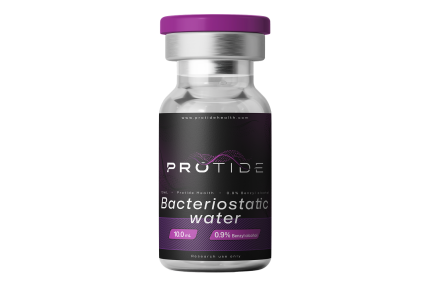
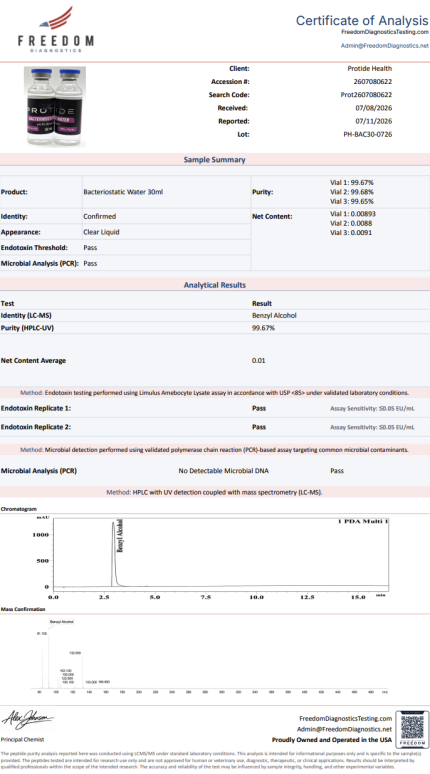
Bacteriostatic Water (0.9% Benzyl Alcohol)
Price range: $14.99 through $18.99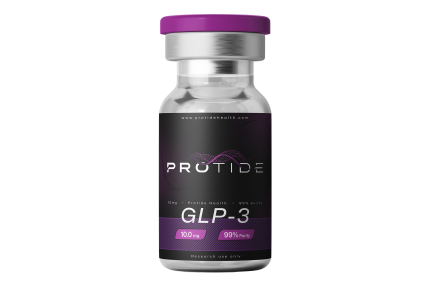
GLP-3
Price range: $145.00 through $550.00
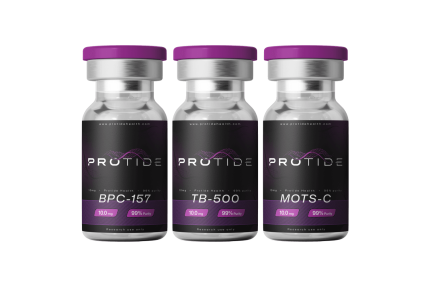
Research Bundle (bpc 157 and tb 500, MOTS-c)
Original price was: $215.00.$205.00Current price is: $205.00.
Reviews
There are no reviews yet.